



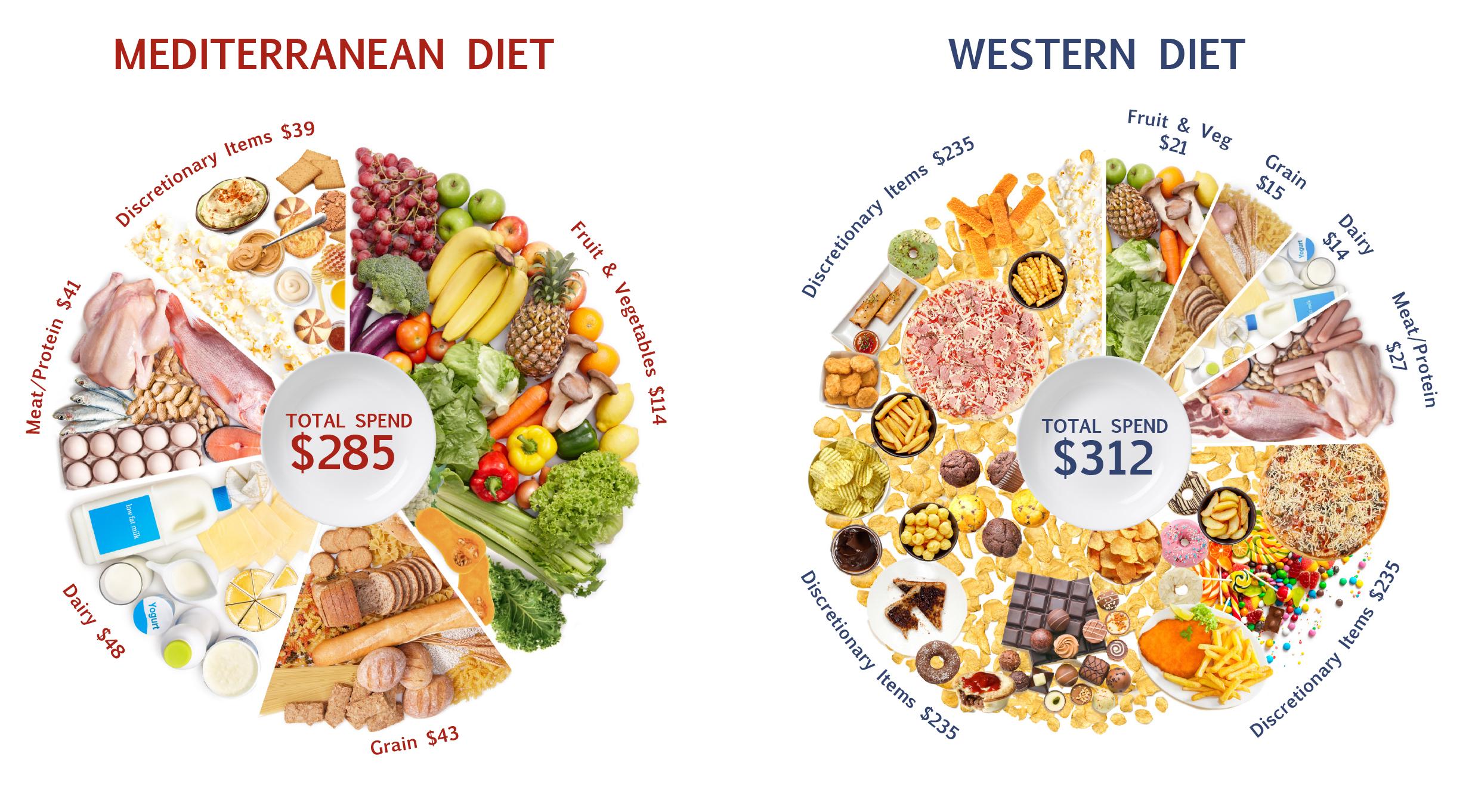
As the world continues to grapple with the long-term effects of a pandemic adn rising health concerns, 2025 is shaping up to be a pivotal year for dietary trends. Among the standout movements gaining traction is the Mediterranean diet, a nutrition plan rich in fruits, vegetables, whole grains, and healthy fats, which has recently regained popularity. Experts are now touting its myriad health benefits—ranging from improved cardiovascular health to enhanced cognitive function—making it an essential focus for wellness enthusiasts and health practitioners alike. With a growing body of research supporting its effectiveness, the Mediterranean diet’s resurgence signals not just a culinary shift but a broader commitment to sustainable living and holistic health in the years to come. In this article, we explore the factors behind this revival, the science that supports it, and practical tips for integrating this flavorful, time-tested approach into modern diets.
Table of Contents
- The Mediterranean Diet’s Growing Popularity in 2025
- Scientific Backing: Health Benefits of the Mediterranean Way
- Practical Tips for Embracing Mediterranean Eating
- Addressing Common Misconceptions About the Mediterranean Diet
- In Summary
The Mediterranean Diet’s Growing Popularity in 2025
In 2025, the Mediterranean diet has transcended its status as just a food trend, emerging as a transformative lifestyle choice embraced by millions globally. This surge in popularity is attributed to increasing awareness about the diet’s multitude of health benefits,along with its emphasis on fresh,whole foods. Nutritionists are touting the diet’s effectiveness in reducing the risk of chronic diseases such as heart disease, diabetes, and obesity.Consequently, consumers are actively seeking out Mediterranean-inspired restaurants, meal delivery services, and cookbooks, highlighting a collective shift towards nutrient-dense eating.
The social media landscape is rife with vibrant images of colorful salads, whole grains, and lean proteins, creating a visual feast that captivates audiences. Influencers and health enthusiasts are sharing their own Mediterranean journeys, showcasing not only the deliciousness but also the sustainability of this eating pattern. Key components driving this trend include:
- Plant-Based Focus: Emphasis on fruits,vegetables,legumes,and whole grains.
- Healthy Fats: Incorporation of olive oil and nuts as staples.
- Minimal Processed Foods: Preference for fresh, seasonal ingredients.
- Cultural Connection: Celebrating communal meals and traditional practices.
As awareness spreads, individuals recognize the Mediterranean diet not only as a healthy option but also as a means to connect with cultural roots and foster community through shared meals.
Scientific Backing: Health Benefits of the Mediterranean Way
The Mediterranean diet, a culinary tradition that emphasizes whole foods, has garnered critically important attention in recent years for its robust health benefits. Scientific studies suggest that this lifestyle choice is linked to a lower risk of chronic diseases, such as heart disease, diabetes, and certain cancers. One major advantage stems from the diet’s rich content of healthy fats, especially monounsaturated fatty acids found in olive oil, which have been shown to promote heart health by improving cholesterol levels. Additionally, the incorporation of fresh fruits and vegetables offers a wealth of antioxidants that combat oxidative stress and inflammation.
Beyond physical health, the Mediterranean way also emphasizes the importance of social and emotional well-being.the diet encourages communal meals, fostering relationships and enhancing mental health. Recent research highlights a link between regular shared meals and lower levels of stress and anxiety, reinforcing the idea that food is not just sustenance but also a cornerstone of community and psychological resilience. By embracing this lifestyle,individuals may not only nourish their bodies but also enrich their social environments and improve their overall quality of life.
Practical Tips for Embracing Mediterranean eating
To fully embrace the Mediterranean diet, start by revolutionizing your pantry. Stock up on whole grains like quinoa, farro, and brown rice, which can serve as the base for many meals. Prioritize fresh fruits and vegetables, focusing on seasonal and locally sourced options to maximize flavor and nutrients. nuts and seeds should also find a place in your kitchen, providing essential healthy fats and protein. Incorporate a variety of legumes such as lentils, chickpeas, and beans to enrich your diet with fiber and plant-based protein. When it comes to oils, opt for extra virgin olive oil as your primary fat for cooking and dressings, and consider spicing up your meals with Mediterranean herbs like oregano, basil, and rosemary.
Meal planning can substantially ease the transition to this lifestyle. Start by preparing simple recipes that highlight the vibrant ingredients typical of the Mediterranean region. A salad of mixed greens, olives, and feta topped with a drizzle of olive oil can be both filling and refreshing. Set aside time each week to batch-cook grains and legumes, making them readily available for speedy lunches or hearty dinners. Don’t shy away from experimenting with new flavors—try incorporating fish like salmon or sardines into your weekly rotation for their omega-3 benefits. Lastly, shift your outlook on meals being occasions to unwind; make dining an experience to share with loved ones, emphasizing the joy of good food and company.
Addressing Common Misconceptions About the Mediterranean Diet
The Mediterranean diet often finds itself enveloped in various misconceptions that can cloud its genuine benefits. One common misunderstanding is that the diet is solely focused on eating olive oil and pasta. Though, while olive oil is a staple, the true essence of this dietary pattern lies in a diverse range of foods, including:
- Fresh fruits and vegetables
- Whole grains
- Nuts and seeds
- Legumes
- Fish and seafood
Another frequent myth suggests that adopting the Mediterranean diet means forgoing culinary pleasure in favor of bland foods. In reality,the Mediterranean approach celebrates flavor through the use of herbs and spices. Moreover, meals are typically enjoyed in a social setting, emphasizing community and connection rather than restriction. This not only enhances the dining experience but also promotes a healthier relationship with food. Common dishes are bursting with taste and variety, making this diet both appealing and sustainable, contrary to the restrictive eating patterns often associated with other diets.
In Summary
as we look toward the future of health and nutrition in 2025, the Mediterranean diet stands out not only as a culinary choice but as a lifestyle philosophy that prioritizes well-being. Its resurgence is not merely a dietary trend; rather, it highlights a growing awareness of the interconnectedness of food, health, and sustainability. Experts predict that this diet will continue to influence mainstream eating habits, encouraging a shift towards plant-based foods, healthy fats, and a communal approach to meals. As more individuals embrace this age-old way of eating, the implications for public health, environmental sustainability, and overall quality of life are profound. In a world increasingly aware of health disparities and lifestyle-related diseases, the Mediterranean diet offers a time-tested framework for nourishing both individuals and communities alike. As we navigate the complexities of modern dietary trends, the Mediterranean diet’s principles remain relevant, reminding us that what we eat is not just about personal health, but also about nurturing our planet and our societies.