


Hey there, sleepyheads! 🌙 If you’ve ever tossed and turned at night, only to feel like a zombie the next day, you’re not alone. The intricate dance between sleep and mental health is a topic that’s gaining more and more attention—and for good reason! Lack of sleep can leave us feeling irritable,anxious,and a bit out of sorts,while a good night’s rest can work wonders for our mood and clarity. In this article, we’ll explore how our Zzzs influence our mental well-being and share practical tips for boosting both your sleep quality and mental health.So grab your favorite cozy blanket and a warm cup of chamomile tea,and let’s dive into the soothing world of sleep! 🌟
Table of Contents
- Understanding the Sleep-Mental Health Link
- Signs of Sleep Disturbances and Their Effects on Your Mind
- Simple Strategies for Better Sleep Every Night
- Building a Bedtime Routine for Optimal Mental Wellness
- Future Outlook
Understanding the Sleep-Mental Health Link
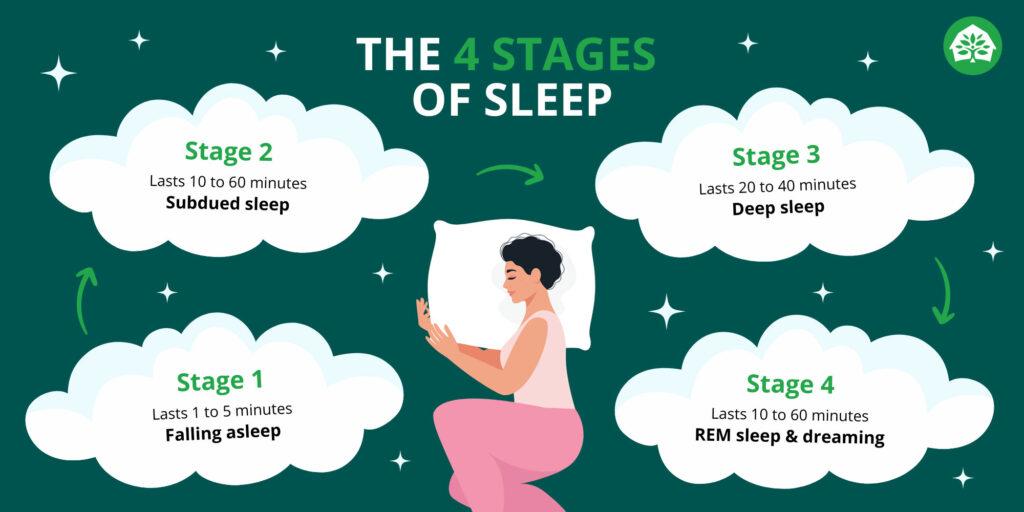
Sleep is ofen seen as a passive state,but it plays a dynamic role in our mental well-being. During sleep, especially REM stages, the brain processes emotions and consolidates memories. A lack of quality rest can lead to increased feelings of anxiety and depression, creating a vicious cycle that’s hard to break.When you don’t get enough restorative sleep, you may experience:
- Heightened stress levels
- Reduced emotional resilience
- Difficulty concentrating
Moreover, mental health conditions can cause sleep disturbances, making the relationship between sleep and mental health even more intricate. For instance, individuals with anxiety may struggle to fall asleep, while those with depression might find themselves sleeping too much or too little.Addressing sleep issues can lead to significant improvements in mental health, fostering a more balanced mood. Here are some benefits of prioritizing sleep for mental well-being:
- Improved mood regulation
- Enhanced cognitive function
- Better coping mechanisms for stress
Signs of Sleep Disturbances and Their Effects on Your Mind
Recognizing the signs of disrupted sleep can be a pivotal step toward enhancing your mental well-being.Some common indicators include:
- Frequent awakenings: Waking up multiple times during the night can leave you feeling drained.
- Excessive daytime sleepiness: Struggling to stay awake or focused during the day coudl signal poor nighttime rest.
- Irritability or mood swings: Sleep disturbances often manifest as emotional instability or increased stress levels.
- Cognitive difficulties: Trouble concentrating, forgetfulness, or a general foggy state can also arise from inadequate sleep.
The repercussions of these sleep disruptions extend beyond mere tiredness, affecting not only your mood but also your cognitive function. Research suggests that poor sleep can considerably increase the risk of conditions such as anxiety and depression.Additionally, lack of restorative sleep can hinder your ability to cope with daily stresses, resulting in:
- Heightened anxiety: A vicious cycle of worry can emerge, leading to even more sleepless nights.
- Reduced resilience: Difficulty bouncing back from setbacks can make daily challenges feel insurmountable.
- Poor decision-making: With fuzzy thinking, you may find it harder to make informed choices.
simple Strategies for Better Sleep Every Night
Establishing a bedtime routine can significantly enhance your sleep quality. Consider the following tips to create a calming atmosphere:
- Limit screen time: Switch off electronic devices at least an hour before bed to reduce exposure to blue light.
- Dim the lights: Create a serene surroundings by lowering the lights an hour before bedtime.
- Incorporate relaxation techniques: Engage in activities like reading, meditation, or gentle stretches to unwind.
Moreover, paying attention to your sleep environment can make a world of difference. Aim for a cozy and inviting bedroom where you can fully relax:
- Optimize your mattress and pillows: Invest in quality bedding that supports your body and sleeping preferences.
- Control room temperature: Keep the space cool, ideally between 60-67°F (15-19°C), for optimal sleep.
- Reduce noise: Use white noise machines or earplugs to block disruptive sounds that can interrupt your rest.
Building a Bedtime Routine for Optimal Mental Wellness
Establishing a consistent bedtime routine can be a game-changer for your mental wellness.By signaling to your body that it’s time to wind down, you set the stage for restful sleep, which is crucial for emotional regulation and cognitive function. Here are some effective ways to enhance your evening ritual:
- Limit Screen Time: Aim to disconnect from devices at least an hour before bed. the blue light emitted can interfere with your natural sleep cycle.
- Mindful Moments: Incorporate practices such as meditation or deep-breathing exercises to clear your mind of daily stressors.
- Consistent Timing: Try to go to bed and wake up at the same time every day, even on weekends, to reinforce your body’s sleep-wake rhythm.
Creating a soothing environment can also play a pivotal role in fostering better sleep. Your bedroom should be a sanctuary that invites relaxation. Consider the following tips for setting the mood:
- Dim the Lights: Soft,warm lighting can help signal your body that it’s time to prepare for sleep.
- aromatherapy: Use calming scents like lavender or chamomile to enhance relaxation and promote a peaceful mindset.
- agreeable Bedding: Invest in quality pillows and sheets that invite comfort and support for a good night’s sleep.
future outlook
Conclusion: Embracing Rest for a Happier Mind
In the whirlwind of life,it’s easy to overlook the vital role sleep plays in our mental health. We often prioritize productivity and social engagements, pushing sleep to the bottom of our to-do lists. However, understanding the profound connection between quality sleep and a balanced mind allows us to make more conscious choices about our well-being.
So, as you tuck yourself in tonight or sip your morning coffee tomorrow, remember that nurturing your sleep is not just about feeling rested; it’s about nurturing your mental health. By taking small but impactful steps—like establishing a bedtime routine, creating a calming sleep environment, and being mindful of your screen time—you can unlock the door to better mental wellness.
Let’s make sleep a priority, not just a luxury. As when we embrace quality rest, we empower ourselves to take on the world with a clearer mind and a happier heart. Sweet dreams! 🌙✨