



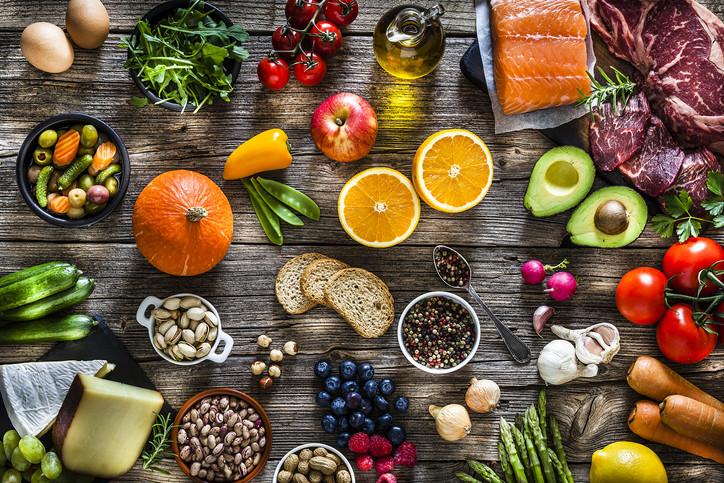
Making a shift toward healthier eating can often feel overwhelming. With countless diets, nutritional guidelines, and trendy food items flooding our feeds, where do you even begin? The truth is, transitioning to a healthier eating lifestyle doesn’t have to be a drastic overhaul; it can be a gradual and manageable process. In this article, we’ll explore simple, actionable steps that can help you embrace a more nutritious and balanced diet without the stress of rigid restrictions. Weather your looking to enhance your energy levels, improve your overall well-being, or simply feel better day to day, these easy-to-implement strategies can set you on the path to healthier eating habits that stick. Let’s dive in!
Table of Contents
- Understanding Your Current Eating Habits
- Identifying Nutrient-Rich Foods to Incorporate
- Setting Realistic Goals for healthy Eating
- Building a Sustainable Meal plan
- The Conclusion
Understanding Your Current Eating Habits
Before embarking on a journey toward healthier eating, it’s crucial to take a moment to examine your current eating habits. This awareness can be enlightening and can highlight patterns or triggers that may contribute to less-than-ideal food choices.Start by keeping a food diary for a week to capture what you consume, when you eat, and how you feel during each mealtime. This exercise will help you identify:
- Emotional eating triggers: Recognize situations where food is used as a comfort or distraction.
- Time of day patterns: Spot specific times when you reach for unhealthy snacks or meals.
- Portion sizes: Assess whether you’re eating more than your body needs.
Once you have a better understanding of your eating habits, consider what adjustments may be necessary. For many, this could mean replacing processed snacks with more nutritious options or setting regular meal times to avoid impulsive eating. Small changes can make a big impact over time. Focus on:
- Incorporating more whole foods: Fill your plate with fruits, vegetables, whole grains, and lean proteins.
- Mindful eating: Take time to enjoy your food without distractions, fostering a healthier relationship with what you consume.
- Setting realistic goals: aim for gradual changes rather than drastic overhauls, allowing your body and mind to adjust comfortably.
Identifying Nutrient-Rich Foods to Incorporate
Transitioning to a healthier eating lifestyle begins with identifying foods that pack a nutritional punch. Incorporating a variety of whole foods into your diet can make a significant difference. Focus on these nutrient-dense categories:
- Fruits and Vegetables: Choose a rainbow of colors to ensure you’re getting a wide range of vitamins and antioxidants.Dark leafy greens,berries,and citrus fruits are excellent choices.
- Whole Grains: Opt for brown rice, quinoa, and whole grain breads that provide fiber and help regulate blood sugar levels.
- Lean Proteins: Incorporate sources like chicken, turkey, beans, and legumes to support muscle health without excess saturated fats.
- Nuts and Seeds: Packed with healthy fats and protein, almonds, chia seeds, and flaxseeds can enhance your meals and snacks.
Understanding how to read nutrition labels is equally essential.Look for foods that are low in added sugars and high in fiber. When scanning ingredient lists, aim for products with whole ingredients at the top. This will help you steer clear of processed foods that may contain unhealthy additives. Some items to stock up on include:
- Greek Yogurt: A great source of probiotics and calcium.
- Leafy Greens: Spinach, kale, and Swiss chard are rich in iron and vitamins.
- Colorful Peppers: High in vitamin C and versatile in numerous dishes.
- Oatmeal: A fiber-rich option that can keep you feeling full longer.
Setting Realistic Goals for Healthy Eating
Setting goals is the first step towards achieving sustainable healthy eating habits. Start small and focus on specific areas, rather than attempting to overhaul your entire diet at once. Consider the following tips:
- Identify one meal to improve: Choose breakfast, lunch, or dinner to make healthier substitutions, like swapping white bread for whole grain.
- Incorporate more vegetables: Aim to include at least one serving of vegetables in each meal.
- Track your progress: Keep a food diary to monitor what you’re eating and make adjustments as needed.
Another crucial aspect is to celebrate small victories. By recognizing your achievements, no matter how minor, you can foster a positive relationship with food. Try these strategies to help maintain motivation:
- Set a reward system: Treat yourself to a non-food reward, like a new book or a relaxing day out, when you reach a goal.
- Stay flexible: Allow yourself the occasional indulgence without guilt; balance is key to long-term adherence.
- Seek support: Engage friends or join groups to share your goals and experiences, providing accountability and encouragement.
Building a Sustainable Meal Plan
creating a sustainable meal plan starts with understanding what sustainability means for your diet.It’s not just about sourcing local ingredients,but also about minimizing waste and making choices that nourish both your body and the planet. Here are some essential tips to consider:
- Prioritize seasonal and local produce: Choosing fruits and vegetables that are in season can significantly reduce your carbon footprint and support local farmers.
- Incorporate plant-based meals: Even if you’re not ready to go fully vegetarian or vegan, integrating a few plant-based meals each week can be both healthy and environmentally pleasant.
- Plan your meals: Take time each week to plan your meals. This helps reduce food waste and ensures that you’re eating a variety of nutrients.
Additionally, focus on portion control and mindful eating practices. Developing a habit of using smaller plates can help manage portions while also encouraging you to appreciate your food more. Remember to keep snacks healthy and satisfying; consider including options like:
- nuts and seeds: A great source of protein and healthy fats.
- Fruits and vegetables: opt for whole,unprocessed snacks that offer both fiber and essential vitamins.
- Whole grains: Incorporate items like quinoa and brown rice for added nutrition and energy.
The Conclusion
Conclusion
Transitioning to a healthier eating lifestyle doesn’t have to be overwhelming. By taking small, manageable steps, you can create habits that enhance your well-being without sacrificing enjoyment. Remember, it’s not about perfection but progress. With each choice you make,you’re paving the way for a more nutritious future.
Whether it’s incorporating more fruits and vegetables, planning your meals, or simply being mindful of portion sizes, every little betterment counts. As you embark on this journey,be patient with yourself and celebrate your achievements,no matter how small.
Here’s to embracing a healthier you—one appetizing bite at a time! Happy eating!