


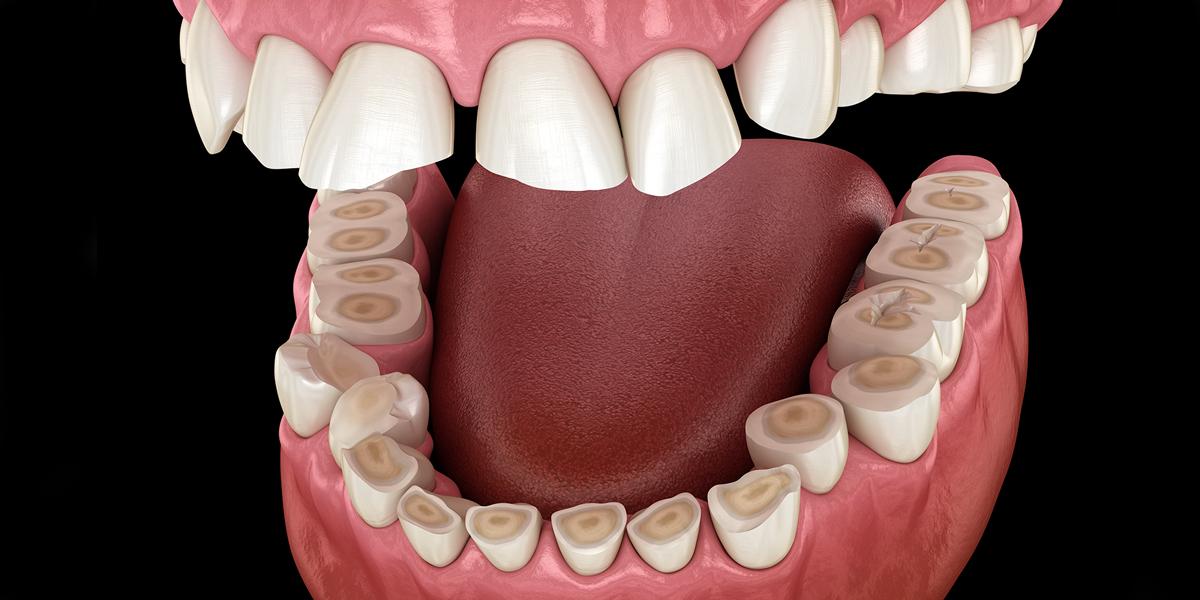
Hey there, friends! If you’ve ever woken up with a sore jaw or caught yourself clenching your teeth during a stressful moment, you’re not alone.Teeth grinding, or bruxism as it’s scientifically known, affects many people—frequently enough without them even realizing it! This little habit can lead to some big problems, including enamel wear and jaw pain. But don’t worry, as in this pleasant guide, we’ll share some simple and effective tips to help you safeguard your pearly whites from the perils of grinding. Whether you’re looking to reduce stress, improve your sleep, or simply keep your smile shining bright, we’ve got you covered. Let’s dive in and discover how to keep your teeth healthy and happy!
Table of Contents
- Understanding the Causes of Teeth Grinding and Their Impacts
- Exploring Effective Relaxation Techniques to Reduce Stress
- Choosing the Right Mouthguard for a Comfortable Night’s Sleep
- Incorporating Oral Care Tips for Long-term Protection Against Grinding
- To Wrap It Up
Understanding the Causes of Teeth Grinding and Their Impacts
Teeth grinding, or bruxism, often manifests during sleep, but it can also occur when you’re awake. Understanding the root causes is essential for finding effective strategies to combat it. Common triggers include stress and anxiety, as many individuals unconsciously clench their jaws in response to overwhelming emotions. Additionally, lifestyle factors like consumption of caffeine and alcohol can exacerbate the issue, making you more prone to grinding. Dental misalignments or abnormalities can also play a critically important role, leading to discomfort that prompts grinding as a response.
The impacts of teeth grinding extend beyond just the audible sound that can disturb your sleep partner. Over time, this habit can lead to a range of dental issues, including worn enamel and increased sensitivity, which can be painful and costly to treat. It can also result in jaw pain, headaches, and even changes in the alignment of your teeth. Recognizing these symptoms early and understanding their underlying causes can empower you to take proactive steps towards safeguarding your dental health and overall well-being. Don’t ignore the signs—acknowledge the factors that contribute to bruxism and explore simple, effective solutions to protect your smile!
Exploring Effective Relaxation Techniques to reduce stress
Stress can often manifest in unexpected ways, one of which is teeth grinding, also known as bruxism. To combat this, integrating effective relaxation techniques into your daily routine can be invaluable. Here are some methods you can explore:
- Deep Breathing: Take a few minutes each day to focus on inhaling deeply through your nose and exhaling slowly through your mouth. This simple act can significantly lower anxiety levels.
- Mindfulness Meditation: Set aside time to sit quietly and focus on the present moment. Apps like Headspace or Calm can guide you through short sessions, making it easier to build this habit.
- Gentle Yoga: Engaging in gentle stretches can help relieve tension in your jaw and neck. Poses like Child’s Pose and Cat-Cow are especially effective.
Incorporating these techniques into your lifestyle can not only alleviate the urge to grind your teeth but also promote an overall sense of well-being. Furthermore, don’t forget about the importance of establishing a calming bedtime routine to enhance your relaxation. You could:
- Create a Sleep Sanctuary: Keep your bedroom dark,cool,and quiet to enhance sleep quality.
- Limit Screen Time: Avoid screens at least an hour before bed to help your mind unwind.
- Use Relaxing Scents: Lavender or chamomile essential oils can create a soothing atmosphere,promoting relaxation before you sleep.
Choosing the Right Mouthguard for a Comfortable Night’s Sleep
When it comes to selecting a mouthguard, comfort should be your top priority. A well-fitting mouthguard can mean the difference between a restful night’s sleep and a wakeful battle with discomfort. Look for options that are specifically designed for nocturnal use, such as:
- Custom-fitted mouthguards: These are created by dental professionals to fit the unique shape of your mouth.
- Boil-and-bite mouthguards: These are softened in hot water then shaped by biting into them for a better fit.
- Soft materials: Choose mouthguards made of softer, flexible materials for enhanced comfort and less bulk.
Another essential aspect to consider is breathability. A mouthguard that allows for easy airflow ensures that you won’t feel suffocated while sleeping. Opt for designs that include small ventilation holes or those that don’t cover your nose. Additionally, keep an eye out for the following features:
- Durability: Look for mouthguards that can withstand wear and tear, especially if you grind frequently.
- Hypoallergenic materials: If you have sensitivities, choose mouthguards made from non-toxic materials.
- Easy maintenance: Select a mouthguard that can be easily cleaned and stored to keep it hygienic.
Incorporating Oral Care Tips for Long-Term Protection Against Grinding
Maintaining optimal oral care can play a significant role in mitigating the effects of teeth grinding, or bruxism. Regular dental check-ups provide a fantastic platform for early detection and intervention. It’s essential to establish a daily routine that includes:
- Brushing twice a day: Use a fluoride toothpaste to strengthen enamel and reduce the risk of decay.
- Flossing daily: This helps remove plaque and food particles between teeth, where your toothbrush can’t reach.
- Using a mouthguard: Custom-fitted mouthguards can be particularly effective in protecting your teeth during sleep.
Furthermore, pay attention to your diet and lifestyle choices, as these can also influence grinding habits. Incorporating foods rich in calcium and magnesium can bolster your dental health. Here are some additional tips to consider:
- Stay hydrated: Drinking plenty of water can prevent dry mouth, reducing the chances of grinding.
- Limit caffeine and alcohol: Both can increase anxiety and disrupt sleep patterns,potentially worsening bruxism.
- Practice stress management: Techniques such as yoga, meditation, or deep-breathing exercises can significantly reduce stress levels, a major trigger for grinding.
To Wrap It Up
Wrapping Up: Keep Those Pearly Whites Happy!
And there you have it! With these simple tips in hand, you’re well on your way to protecting your teeth from the pesky effects of grinding. Remember, being mindful of stress, maintaining a good bedtime routine, and seeking professional advice can make all the difference in preserving that dazzling smile.
Don’t hesitate to reach out to your dentist if you have concerns—they’re your best ally in this mission! Take care of your teeth, and they’ll take care of you.We hope you found these tips helpful! Feel free to share your own experiences or additional tips in the comments below. Keep smiling! 😊