


Hey there, smile enthusiasts! If you’ve ever woken up with a sore jaw or a headache that just won’t quit, you might be among the many people dealing with teeth grinding, also known as bruxism. It can be a sneaky little problem that quietly turns your pearly whites into not-so-pearly whites! But fear not—today we’re here to share some amiable and easy tips to help you protect your beautiful smile. Whether you’re grinding your teeth at night or during the day, these simple and effective strategies will not only help you save your teeth but also put a confident grin back on your face. Let’s dive in and discover how to keep those chompers shining bright!
Table of Contents
- Understanding Tooth Grinding and Its Effects
- Simple Lifestyle Changes for a Happier Smile
- Effective Nighttime Routines to Protect Your Teeth
- When to Seek Professional Help for Teeth Grinding
- Concluding remarks
Understanding Tooth Grinding and Its Effects
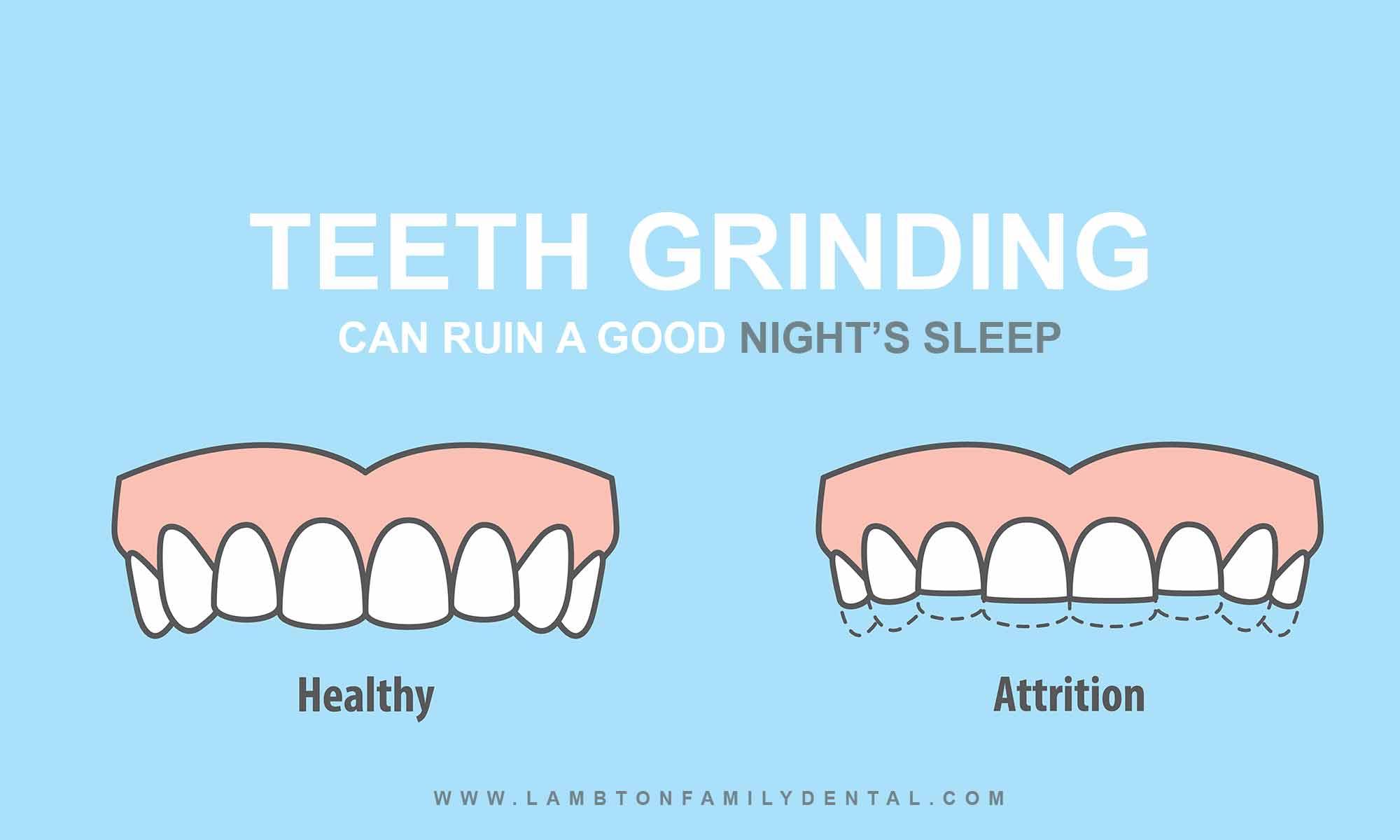
Tooth grinding, also known as bruxism, is a common yet often overlooked issue that can lead to a variety of dental problems. Many individuals might not even realize they grind their teeth, especially if it occurs during sleep. Symptoms can include morning headaches, jaw pain, and increased tooth sensitivity. Over time, the continuous grinding can wear down tooth enamel, leading to issues such as cavities, cracked teeth, and misalignment of the jaw. Being aware of these effects is the first step toward maintaining a healthy smile.
Understanding the triggers behind bruxism can help in finding effective solutions. Factors contributing to tooth grinding include:
- Stress and Anxiety: High-stress levels frequently enough manifest as physical tension, wich can lead to grinding during the night.
- Sleep Disorders: Conditions like sleep apnea may also exacerbate bruxism.
- Misaligned teeth: Bite issues can create discomfort that leads the jaw to clench unconsciously.
- Caffeine and Alcohol Consumption: Both can increase muscle activity, heightening the risk of grinding.
By identifying and addressing these underlying causes, you can take proactive steps to protect your teeth and ensure a brighter, healthier smile.
Simple Lifestyle Changes for a Happier Smile
Embracing small changes in your daily routine can significantly enhance your dental health and overall happiness.One of the most effective methods to alleviate teeth grinding is to prioritize stress management. Simple activities like meditation, yoga, or even a casual stroll can work wonders. Additionally, incorporating relaxation techniques into your evening can help you wind down, reducing the tension that often leads to grinding.Consider keeping a small journal by your bedside to jot down any thoughts or worries that might spill over into your sleep.
Another impactful adjustment is paying attention to your dietary choices. Foods rich in calcium and magnesium can strengthen your teeth and jaw muscles. Incorporating items like yogurt, leafy greens, and nuts into your meals can be beneficial. Staying hydrated is equally vital; drinking plenty of water throughout the day can keep your jaw muscles relaxed. You might also want to limit your intake of caffeinated beverages and sugary snacks that can spike anxiety levels, leading to increased grinding. Adopting these strategies in your life can make a profound difference in both your smile and your emotional well-being.
Effective Nighttime Routines to Protect Your Teeth
Establishing a calming nighttime routine can significantly contribute to the health of your teeth. Start by creating a dedicated space for oral care that is well-lit and organized.Engage in gentle activities that help you unwind, such as:
- brushing your teeth for at least two minutes with a fluoride toothpaste.
- Using a soft-bristled toothbrush and replacing it every three months.
- Incorporating flossing to remove plaque from between your teeth.
- Rinsing with an alcohol-free mouthwash, which can help reduce acidity and bacteria.
after your dental care routine, consider integrating practices that promote relaxation and minimize the likelihood of teeth grinding. Simple techniques like deep breathing exercises or gentle stretching can help relieve tension in your jaw. You might also try:
- Wearing a nightguard if you’re prone to grinding.
- Limiting screen time before bed to reduce mental stress.
- Drinking herbal tea to help soothe your mind.
- listening to calming music or guided meditations.
When to Seek Professional Help for Teeth Grinding
If you’ve noticed signs of teeth grinding, such as waking up with a sore jaw, frequent headaches, or even worn enamel, it might potentially be time to consider seeking professional help. A dentist can provide a thorough evaluation and determine if your grinding is related to stress, sleep disorders, or other underlying issues. Look for the following indicators that suggest it’s time to book an appointment:
- Persistent jaw pain or soreness: If you find it challenging to open your mouth or chew due to discomfort.
- Frequent headaches: Regular tension or migraine headaches can be a sign of grinding.
- Visible wear on your teeth: Eroded enamel or noticeable bite marks can indicate excessive grinding.
- Disrupted sleep patterns: If you or your partner notice grinding sounds during the night, it might be time to address it.
Consulting with a dental professional can open the door to effective solutions tailored to your needs, ranging from night guards to stress management techniques. It’s essential not to ignore these symptoms, as prolonged grinding can lead to more serious dental issues over time. Remember,protecting your smile is not just about regular brushing and flossing; it’s also about addressing habits that can jeopardize your dental health.
Concluding Remarks
Outro
And there you have it—your ultimate guide to keeping your smile bright and your teeth safe from the grind! Remember, taking care of your dental health doesn’t have to be complicated. With a few simple lifestyle tweaks and the right strategies, you can significantly reduce the risk of teeth grinding and keep that gorgeous grin intact!
We hope you found these tips helpful and that they inspire you to take action. If you have any personal experiences or additional suggestions, we’d love to hear from you—drop a comment below! And don’t forget to share this article with friends and family who might also benefit. Together,let’s spread the word about healthy smiles!
Until next time,keep smiling and take care of those pearly whites! 😊✨