


In our increasingly health-conscious world, the term “antioxidants” often pops up in discussions about nutrition and wellness. But what exactly are antioxidants, and why are they considered crucial for our health? In this article, we will delve into the science behind antioxidants, exploring their role in combating free radicals—unstable molecules that can lead to cellular damage and contribute to various diseases. Whether you’re curious about how to incorporate more antioxidants into your diet or simply want to understand these powerful compounds better, this guide will provide valuable insights into how they work and why they matter to your overall well-being.
Table of Contents
- Understanding the Role of Free Radicals in Cellular Damage
- Types of Antioxidants and Their unique Benefits
- Food Sources Rich in Antioxidants for a Healthier Diet
- Tips for Maximizing Antioxidant Intake in Daily Life
- to sum up
understanding the Role of Free Radicals in Cellular Damage
Free radicals are unstable molecules that form as a byproduct of various metabolic processes in the body,including the conversion of food into energy and exposure to environmental factors. They are characterized by an unpaired electron, making them highly reactive as they seek stability by stealing electrons from other molecules. This reaction can lead to a cascade of cellular damage, affecting lipids, proteins, and DNA. It is crucial to understand that while free radicals are a natural part of biological processes, an excess of these molecules can overwhelm the body’s ability to manage them, resulting in oxidative stress.
The implications of oxidative stress are far-reaching, contributing to the aging process and the development of chronic diseases such as cancer, cardiovascular diseases, and neurodegenerative disorders. the body possesses its own defense mechanisms, including antioxidant enzymes, that help neutralize these free radicals. however, external sources of antioxidants—such as vitamins C and E, selenium, and various phytochemicals found in fruits and vegetables—play a pivotal role in fortifying the body’s defenses. Incorporating a diet rich in these nutrients not only helps mitigate the damage caused by free radicals but also promotes overall health and wellness.
Types of Antioxidants and Their Unique Benefits
The world of antioxidants is vast and diverse, encompassing various types that each offer unique benefits for our health. Here are a few notable categories:
- Vitamin C: This water-soluble vitamin is not only essential for collagen synthesis but also plays a crucial role in protecting cells from oxidative stress.
- Vitamin E: A fat-soluble antioxidant, Vitamin E helps stabilize cell membranes and protects fatty acids from oxidation.
- Flavonoids: Found in fruits, vegetables, and teas, flavonoids have been linked to reduced inflammation and enhanced cardiovascular health.
- glutathione: Known as the “master antioxidant,” glutathione is produced by the body and works to regenerate other antioxidants, promoting overall detoxification.
Along with these, some dietary sources are notably rich in antioxidants and contribute to health in distinct ways:
- berries: Packed with anthocyanins, berries help combat free radicals and support cognitive health.
- Nuts: Almonds and walnuts provide Vitamin E and other antioxidants that support heart health.
- Green Tea: Rich in catechins, green tea may enhance metabolism and provide protective effects against certain cancers.
- Turmeric: Curcumin,the active compound in turmeric,offers potent anti-inflammatory and antioxidant effects.
Food Sources Rich in Antioxidants for a Healthier Diet
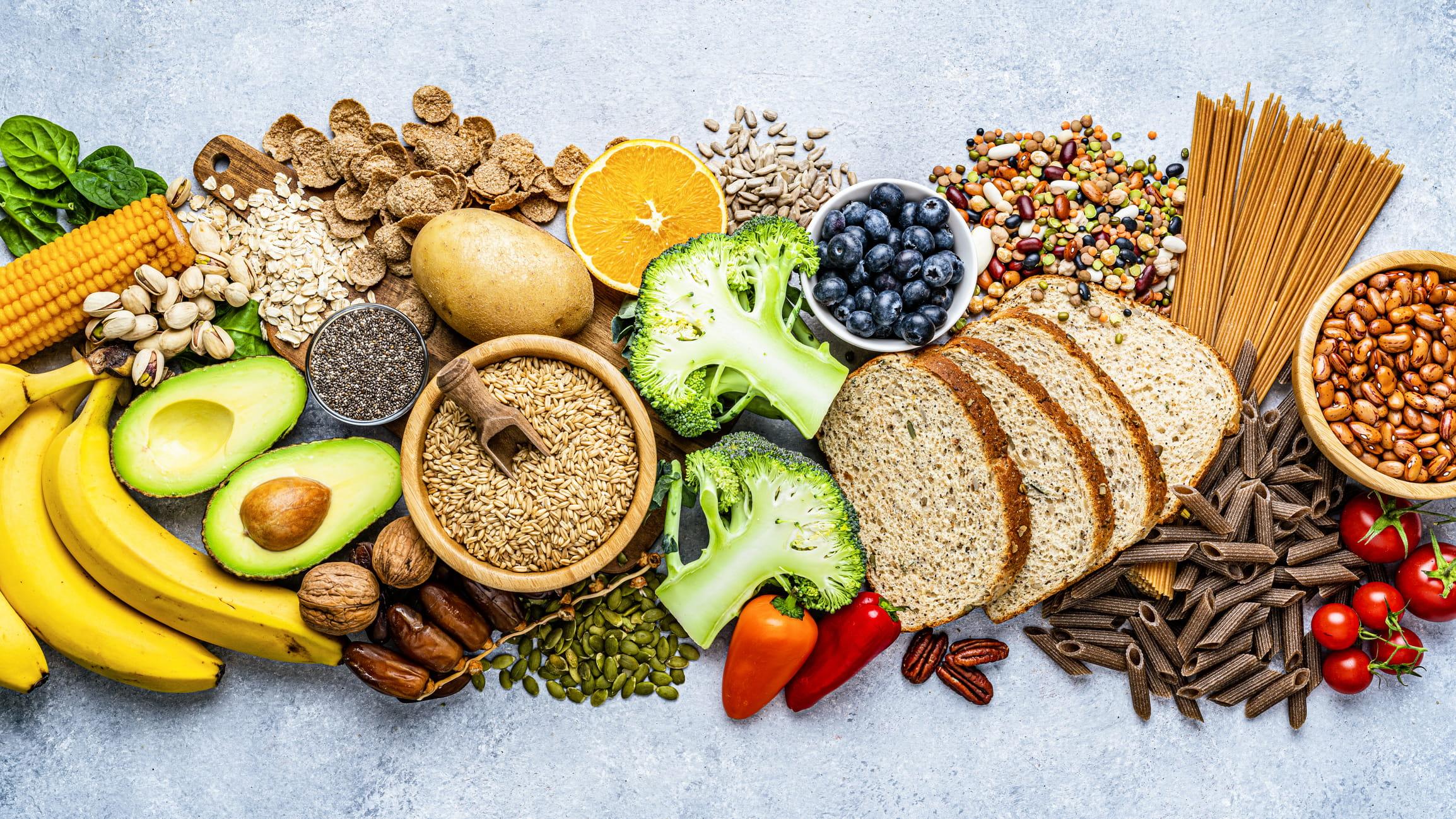
Incorporating a variety of foods rich in antioxidants can significantly enhance your health by counteracting the damaging effects of free radicals. Berries are at the forefront, with options like blueberries, strawberries, and blackberries providing a potent dose of vitamins and minerals. Other fruits such as pomegranates, oranges, and grapes also contribute to a colorful and nutrient-dense diet.Don’t overlook dark chocolate, which not only satisfies your sweet tooth but is also loaded with flavonoids that fight oxidative stress.
Vegetables should not be neglected in your quest for antioxidants. Leafy greens, particularly spinach and kale, are powerhouse foods, rich in vitamins A, C, and E. Other notable mentions include broccoli,carrots,and beets that enhance your meals and bolster your body’s defenses. Additionally, nuts and seeds, especially walnuts and sunflower seeds, provide a healthy source of fats alongside antioxidant benefits. Spices such as turmeric and cinnamon can also elevate your dishes while providing strong antioxidant properties.
Tips for Maximizing Antioxidant Intake in Daily Life
Incorporating more antioxidants into your daily routine can be both enjoyable and beneficial. start by enhancing your meals with a variety of colorful fruits and vegetables.Items like blueberries, spinach, and kale are not only visually appealing but also packed with nutrients. Consider these easy swaps to boost your antioxidant intake:
- Add a handful of berries to your morning oatmeal or yogurt.
- Incorporate leafy greens into smoothies or salads for a nutrient-dense punch.
- opt for dark chocolate as a healthy dessert option — it’s rich in flavonoids!
Don’t forget about beverages! Many drinks can serve as excellent sources of antioxidants. Green tea and herbal teas are loaded with catechins, and a glass of red wine in moderation can provide resveratrol benefits. For a refreshing twist, try blending antioxidant-rich ingredients into a daily smoothie or juice.Remember to include:
- Pomegranates for their high polyphenol content.
- Turmeric in your cooking to harness its curcumin properties.
<liCitrus fruits like oranges and grapefruits for vitamin C.
to sum up
Conclusion: Empowering Your Health with Antioxidants
understanding antioxidants and their role in combating free radicals is vital for maintaining optimal health. By incorporating a variety of antioxidant-rich foods into your diet—such as fruits, vegetables, nuts, and whole grains—you can bolster your body’s defenses against oxidative stress. While supplements can play a role,they should not replace a balanced diet.
As you navigate your wellness journey, let this knowledge serve as a foundation for making informed choices that support your long-term health.Remember, every small step counts. Stay curious, keep learning, and enjoy the vibrant flavors and benefits that nature has to offer. Your body will thank you!