


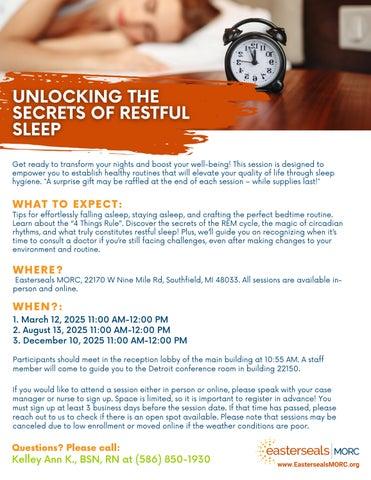
Hey there, sleep seekers! 🌜 Are you one of those people who toss and turn at night, hoping for that elusive good night’s sleep? You’re not alone! Many of us have experienced restless nights, but did you know that truly restorative sleep goes beyond just counting sheep? Enter REM sleep, the magical phase where our brains become supercharged, and our bodies get the TLC they need to thrive. In this cozy corner of the internet, we’ll dive into why REM sleep is the unsung hero of your well-being, how it impacts your mood, memory, and overall health, and, moast importantly, how you can unlock its amazing benefits.So, grab your comfiest blanket and let’s explore the wonders of REM sleep together! 💤✨
Table of Contents
- Understanding REM Sleep and Its Key benefits
- Tips for Enhancing Your REM Sleep Quality
- Common Misconceptions About REM Sleep
- Creating a Sleep-Friendly Environment for better REM Rest
- Concluding Remarks
Understanding REM Sleep and Its Key Benefits
REM sleep, or Rapid Eye Movement sleep, is a unique phase of the sleep cycle where the brain is remarkably active, resembling its awake state. This stage typically begins about 90 minutes after falling asleep and recurs multiple times throughout the night, meaning it constitutes a crucial portion of restorative sleep. During REM sleep,engaging things happen that are vital for both mental and physical well-being. As a notable example, it plays an essential role in:
- Memory consolidation: It helps consolidate and organize experiences from the day, making it easier to recall details later.
- Emotional regulation: Engaging in REM sleep can enhance emotional resilience, helping you process feelings and navigate stress more effectively.
- Creative problem-solving: The brain’s ability to make connections during this sleep stage fosters creativity and can lead to sudden insights or solutions.
additionally, REM sleep contributes considerably to overall health, as it influences physical recovery and growth. When we’re in this deep state of rest, our bodies release vital hormones that assist in tissue repair and muscle growth. The benefits extend beyond just immediate physical health; ensuring enough REM sleep can lead to:
- Improved Cognitive function: A well-rested mind enhances focus, creativity, and decision-making abilities.
- Stronger immune response: Quality sleep helps bolster the immune system, giving your body a stronger defense against illnesses.
- Better mood and mental health: Consistent REM sleep can lower the risk of anxiety and depression, promoting an overall sense of well-being.
Tips for Enhancing Your REM Sleep Quality
To enhance the quality of your REM sleep, it’s essential to create an environment that fosters relaxation and comfort. consider these tips:
- Optimize your sleep environment: Keep your bedroom cool, dark, and quiet. Investing in blackout curtains or a white noise machine can make a significant difference.
- Establish a bedtime routine: Engage in calming activities before bed, such as reading, gentle stretching, or meditation, to signal your body that it’s time to wind down.
- Limit screen time: Reduce exposure to blue light from phones and computers at least an hour before bedtime to help regulate melatonin levels.
Beyond your sleep environment, certain lifestyle choices can play a pivotal role in achieving deeper REM sleep:
- Monitor your caffeine intake: Try to avoid caffeine in the afternoons and evenings as it can disrupt your ability to fall into REM sleep.
- Stay active: Regular exercise, notably aerobic activities, can improve sleep quality, but aim to finish intense workouts several hours before bedtime.
- mind your diet: Eating heavy meals late at night can interfere with sleep; rather, opt for lighter snacks if you’re hungry before bed.
Common Misconceptions About REM Sleep
When it comes to sleep,REM sleep often gets a bad rap,shrouded in a haze of misconceptions that can hinder our understanding of its vital role in overall health. One common myth is that REM sleep is the only stage that contributes to restorative sleep.In reality, while REM sleep is crucial for cognitive functions like memory consolidation and emotional regulation, other stages, particularly deep sleep, also play an important role in physical recovery and hormonal balance. Skipping straight to REM sleep is not possible; our sleep cycle moves through various stages in a continuous loop, each contributing uniquely to our well-being.
Another prevalent misconception is that more REM sleep equates to better sleep. However, the quantity of REM sleep doesn’t necessarily determine sleep quality. The body requires a balanced mix of different sleep stages for optimal health. Factors such as age, lifestyle, and stress can influence the amount of REM sleep you get, leading some to believe that they should be aiming for long hours of this specific stage. Instead, focusing on establishing a regular sleep routine and creating a restful environment can enhance both REM and non-REM sleep, ultimately boosting your overall well-being.
Creating a Sleep-Friendly Environment for Better REM Rest
Transforming your bedroom into a haven for quality rest is a crucial step toward enhancing your REM sleep. Start by ensuring the room is as dark as possible; consider using blackout curtains or shades to block out unwanted light.This simple change helps signal to your body that it’s time to wind down. Additionally, maintaining a cool temperature can improve sleep quality, as cooler environments have been shown to facilitate deeper sleep cycles.
Noisy interruptions can wreak havoc on your REM phases, so strive for a quiet atmosphere. If silence isn’t feasible, white noise machines or calming soundscapes can be excellent options. You might also want to create a clutter-free space, as a tidy environment sparks relaxation and peace of mind. Lastly, consider incorporating soothing scents, like lavender or chamomile, to promote tranquility and signal your brain that it’s time to drift off into dreamland.
Concluding Remarks
Conclusion: Embrace Your Journey to Better Sleep!
As we wrap up our exploration of REM sleep and its vital role in our well-being, it’s clear that nurturing this critically important phase of slumber is more than just a nightly routine—it’s a pathway to a healthier, happier you! By understanding the importance of REM sleep and incorporating simple strategies into your daily life, you can unlock its benefits and enhance your mental and physical health.
So, whether it’s creating a calming bedtime ritual, practicing mindfulness, or ensuring your sleep environment is cozy and inviting, every little effort counts.Remember, the journey to restful nights and rejuvenating REM sleep is a personal one, and it’s perfectly okay to take it one step at a time.
Sleep tight, dream sweet, and don’t hesitate to come back for more tips on achieving the restful nights you deserve. Here’s to waking up refreshed and ready to seize the day! 🌙✨