

In today’s fast-paced world, balancing a healthy diet with a busy lifestyle can feel like an uphill battle. With countless distractions and convenience foods at every turn, finding the time to prepare nutritious meals may often take a backseat. Enter meal prep—a strategic approach designed to simplify your cooking routine while ensuring you have wholesome meals at your fingertips. In this guide, we’ll explore the fundamentals of meal prep, from planning and shopping to cooking and storing, empowering you to take control of your nutrition without sacrificing your time or sanity. Weather you’re a seasoned chef or a kitchen novice, mastering meal prep can be the key to achieving your dietary goals and enjoying the benefits of balanced, home-cooked meals every day.Let’s dive into the essentials that will set you on the path to nutritional success!
Table of Contents
- Understanding the Fundamentals of Meal Prep
- Choosing the Right Ingredients for Nutritional Balance
- Time-Saving Techniques for Efficient Meal Preparation
- Tips for Storing and Reheating Your Meals Properly
- Key Takeaways
Understanding the Fundamentals of Meal Prep
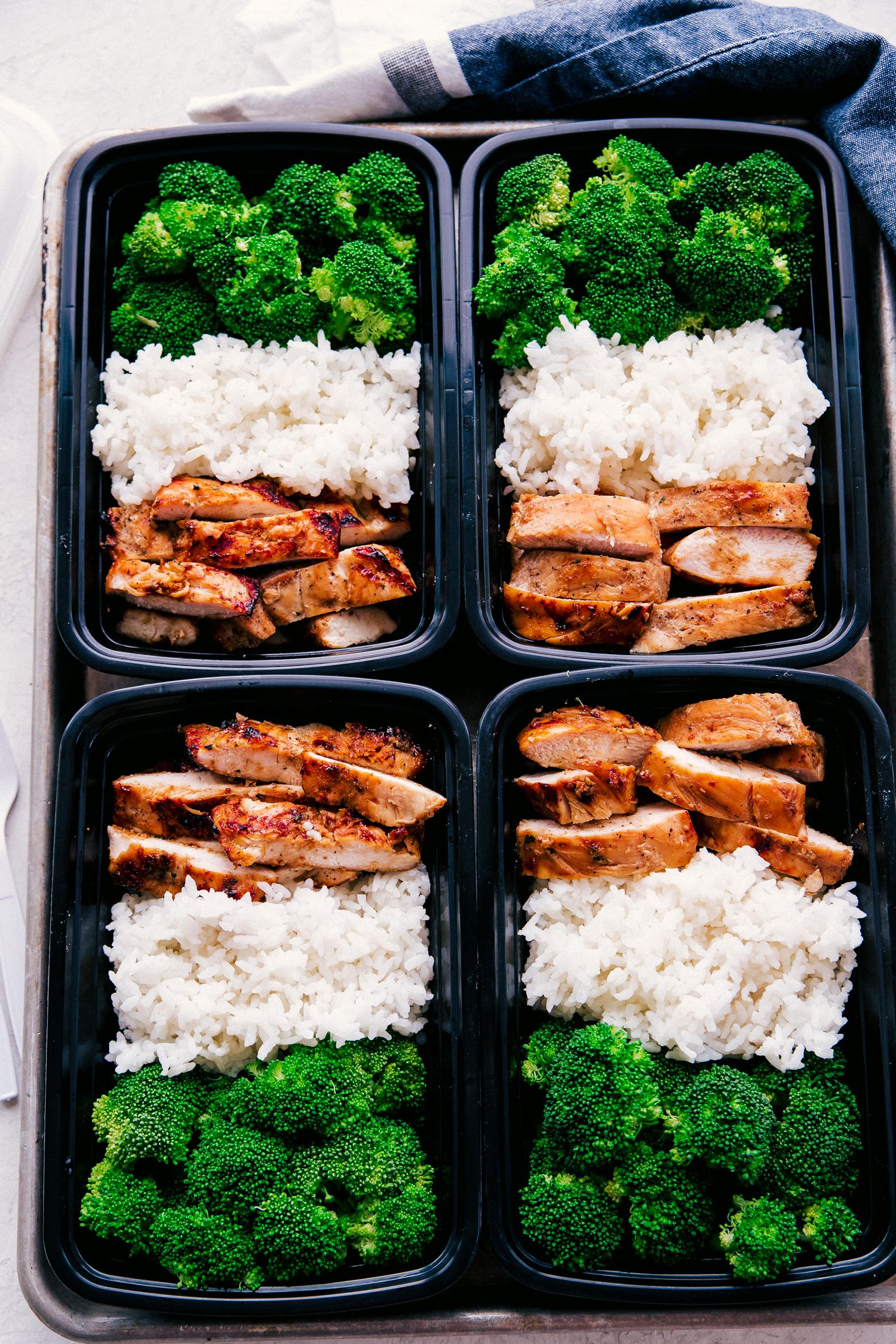
Meal prep is more than just cooking in bulk; it’s a structured approach to managing your nutrition efficiently. By planning your meals in advance, you can ensure that you’re consuming a well-balanced diet throughout the week. Here are some fundamental aspects to consider:
- Portion Control: Mastering portion sizes helps prevent overeating and makes calorie counting easier.
- Variety: Incorporating different foods not only keeps your meals interesting but also ensures you’re getting a range of nutrients.
- Storage Solutions: Invest in airtight containers for optimal food preservation and to maintain freshness.
- time Management: Set aside one day a week dedicated to shopping and cooking to streamline your meal prep process.
Understanding the basics of meal prep empowers you to tailor your eating habits to fit your lifestyle. By focusing on simple strategies, you can create a sustainable routine that supports your health goals. Consider these tips:
- Plan Ahead: Create a weekly menu that includes breakfast, lunches, dinners, and snacks.
- Batch Cooking: Cook versatile meals that can be adjusted with different sides or ingredients throughout the week.
- Labeling: Use labels with dates on storage containers to keep track of freshness.
- Stay Flexible: Don’t be afraid to modify your plan based on lifestyle changes or cravings.
Choosing the Right Ingredients for Nutritional Balance
When it comes to meal prep, the foundation of success lies in the choice of ingredients. Prioritizing whole, unprocessed foods not only adds flavor to your dishes but also boosts their nutritional value. Fill your pantry and fridge with a variety of items that provide the essential nutrients your body needs. Consider incorporating:
- Lean proteins: Chicken, turkey, tofu, and legumes.
- Whole grains: Quinoa, brown rice, oats, and farro.
- Healthy fats: Avocado,olive oil,nuts,and seeds.
- Colorful vegetables: Spinach,bell peppers,carrots,and broccoli.
- Fruits: Berries, apples, bananas, and citrus.
Balancing macronutrients is also crucial. each meal should ideally include a source of protein, healthy fats, and complex carbohydrates. This combination not only helps in maintaining energy levels throughout the day, but also supports muscle growth and overall health. Mixing and matching ingredients can lead to exciting flavor profiles while ensuring that you are meeting your body’s nutritional needs. Keep your meals interesting by trying:
- Seasonal produce: Incorporate fresh vegetables and fruits that are in season.
- Herbs and spices: Enhance flavors without added calories by using basil, cumin, or garlic.
- Diverse textures: Combine crunchy, creamy, and chewy components to make meals satisfying.
Time-Saving Techniques for Efficient Meal Preparation
Optimizing your meal prep can significantly reduce the amount of time you spend in the kitchen. One of the best approaches is to plan your meals weekly.Take an hour each week to sketch out a menu based on your nutritional goals and the ingredients you already have. This not only helps you avoid last-minute scrambles but also minimizes food waste. Additionally, consider batch cooking. Prepare larger portions of staple ingredients like grains, proteins, and vegetables that can easily be mixed and matched throughout the week.
Another effective technique involves using versatile tools to speed up the process. Invest in a quality food processor or slow cooker to make chopping or cooking easier and faster. Don’t forget about freezer-friendly meals—focus on recipes that can be made in bulk and frozen for later use, saving you time on busy days.Additionally, set aside 15-20 minutes each day for speedy, easy prep tasks such as washing and chopping vegetables. This will help streamline your cooking sessions while keeping you on track toward your nutritional goals.
Tips for Storing and reheating Your Meals Properly
Storing your meals correctly is crucial for maintaining their freshness and ensuring food safety. Begin by allowing your meals to cool completely before sealing them in airtight containers.This will help prevent moisture buildup, which can lead to spoilage or unwanted bacteria growth. When choosing containers, opt for glass or BPA-free plastic, as they are more durable and less likely to leach chemicals. Here are some tips to enhance your storage practices:
- Label and date: Always label your containers with the meal name and the date prepared, helping you keep track of freshness.
- Use portion sizes: Dividing meals into single-serving portions makes reheating more convenient.
- Store in the right place: Make sure to place items in a consistent spot in the fridge or freezer for easy accessibility.
When it comes to reheating,the method you choose can greatly impact the quality and safety of your meals. For even heating, it’s recommended to use the stovetop or oven rather than the microwave, as these methods are more effective for preserving texture and flavor. If you opt for the microwave, be sure to cover your food to trap moisture and heat it in short intervals, stirring in between. Keep the following pointers in mind for optimal reheating:
- Check temperature: Ensure your meals reach an internal temperature of at least 165°F to eliminate any lingering bacteria.
- Avoid reheating multiple times: Only heat what you plan to eat to minimize food waste and safety risks.
- Use the right tools: Utilize microwave-safe containers,and avoid plastic that may melt or warp.
Key Takeaways
Outro
mastering meal prep is not just about convenience; it’s a powerful tool for achieving your nutritional goals. By planning your meals in advance,you can save time,reduce stress,and make healthier choices that align with your lifestyle. Remember to start small, experiment with different recipes, and find a routine that works for you. with practice and patience, you’ll become more efficient and confident in the kitchen. So gather your ingredients, roll up your sleeves, and embark on this journey toward a healthier you. Here’s to your nutritional success—happy prepping!