



In today’s fast-paced world, maintaining optimal energy levels and supporting nerve health is paramount for a productive life. Amidst teh myriad of nutrients essential for overall well-being, vitamin B12 stands out as a key player. This powerhouse vitamin not only plays a crucial role in energy metabolism but also substantially contributes to the health of our nervous system. Despite its importance, many individuals may not fully understand the impact of B12 on their daily lives or recognize the signs of deficiency. In this article, we will delve into the vital functions of vitamin B12, explore its sources, and highlight the significance of ensuring adequate intake for sustaining energy and promoting nerve health. Join us as we uncover the crucial benefits of this essential nutrient and the simple steps you can take to incorporate it into your diet.
Table of Contents
- The Importance of Vitamin B12 in Energy Production
- Understanding the Connection Between Vitamin B12 and Nerve Function
- Signs of Vitamin B12 Deficiency and How to Address Them
- practical Tips for Ensuring Adequate Vitamin B12 Intake
- The Conclusion
The Importance of Vitamin B12 in Energy Production
Vitamin B12, also known as cobalamin, is a powerhouse nutrient that plays a crucial role in the production of energy within our bodies. This essential vitamin aids in the conversion of carbohydrates, fats, and proteins into usable energy, ensuring that our cells function optimally. Without adequate levels of B12, the body struggles to perform these critical processes, which can result in feelings of fatigue and weakness. Hear are some key functions of B12 in energy production:
- Formation of red blood cells: B12 is vital for the production of red blood cells,which transport oxygen throughout the body,enhancing energy levels.
- Metabolism of nutrients: It assists in metabolizing macronutrients, providing the energy necessary for various biochemical processes.
- DNA synthesis: B12 supports proper DNA synthesis, essential for cellular replication and overall health.
Beyond energy production, Vitamin B12 also plays a significant role in maintaining nerve health. This vitamin is crucial for the formation of myelin, a protective sheath that surrounds nerve fibers, facilitating efficient electrical signal transmission. Insufficient B12 levels can lead to neurological issues,such as tingling sensations and cognitive impairments. The benefits of B12 for nerve health can be highlighted as follows:
- Neuroprotection: B12 helps shield nerve cells from damage, promoting overall neural integrity.
- Improved mental function: Adequate B12 levels contribute to better concentration, memory, and mood stabilization.
- Prevention of neuropathy: Ensuring sufficient B12 intake can definitely help avert nerve damage and related disorders.
Understanding the Connection Between Vitamin B12 and Nerve Function
Vitamin B12 plays a crucial role in maintaining the integrity of the nervous system. This essential vitamin is involved in the production of myelin,a protective sheath that surrounds nerve fibers. without adequate myelin, nerve signals may slow down or become disrupted, leading to a range of neurological issues. The implications of B12 deficiency can manifest in various symptoms, including:
- Numbness or tingling in the hands and feet
- Difficulty walking or maintaining balance
- Cognitive impairments, such as memory loss
- Fatigue and weakness
Moreover, vitamin B12 is also essential for the synthesis of neurotransmitters, which are critical for communication between nerve cells. A deficiency may compromise mental clarity and mood stability, further emphasizing the importance of adequate B12 intake for overall nerve health. Incorporating B12-rich foods, such as:
- Meat and poultry
- Fish and shellfish
- Dairy products
- Fortified cereals
into your diet can help ensure you meet your daily requirements. For those following a vegetarian or vegan lifestyle, considering supplements can be an effective way to maintain optimal levels and support nerve function.
Signs of Vitamin B12 Deficiency and How to Address Them
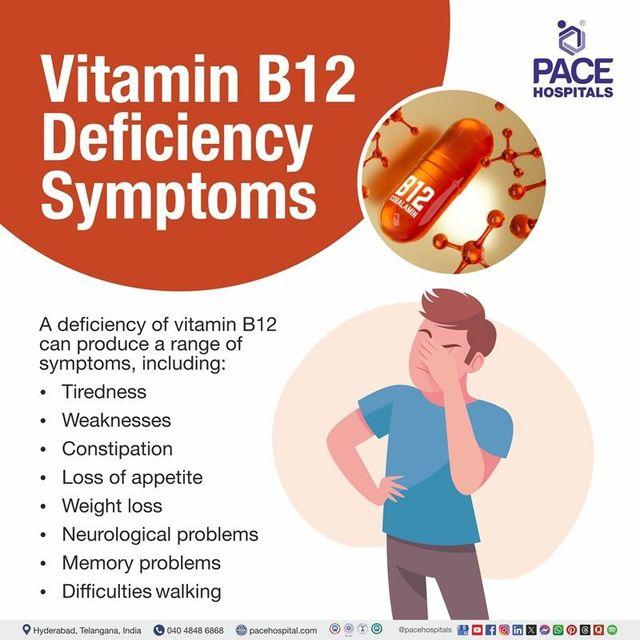
Vitamin B12 deficiency can manifest in various ways, often leading to both physical and mental health challenges. Common signs include:
- Fatigue and Weakness: A lack of B12 may lead to decreased energy levels, making everyday tasks feel more exhausting.
- Pale or Jaundiced Skin: Insufficient B12 can cause the body to produce fewer red blood cells, leading to a pale complexion or yellowing of the skin.
- nerve Issues: Symptoms like tingling, numbness, or balance problems can indicate damage to the nervous system.
- Cognitive Changes: Memory loss, confusion, or difficulty concentrating can reflect reduced B12 levels affecting brain health.
To address these deficiencies, it’s essential to incorporate foods rich in vitamin B12 into your diet, such as:
- Animal Liver and Kidneys: Organ meats are among the highest sources of B12.
- Fish and Shellfish: Varieties like salmon, trout, and clams pack a powerful punch of this vital nutrient.
- Dairy Products: Milk, cheese, and yogurt can help boost B12 intake.
- fortified Foods: Many plant-based alternatives, such as fortified cereals and non-dairy milks, can provide necessary B12 for those following a vegetarian or vegan diet.
Practical Tips for Ensuring Adequate Vitamin B12 Intake
ensuring that you get enough vitamin B12 can be straightforward with the right approach. Consider incorporating a variety of B12-rich foods into your diet, particularly if you are vegetarian or vegan. Options include:
- Fortified cereals: Many breakfast cereals are enriched with B12, making them an easy choice for a morning boost.
- Animal products: if you consume meat and dairy, include sources such as beef, fish, eggs, and dairy products like milk and cheese.
- Fortified plant milk: Almond, soy, and oat milk often come fortified with essential nutrients, including B12.
For individuals at risk of deficiency, such as older adults or those with absorption issues, supplements can be a convenient choice. Talk to your healthcare provider about the right dosage and form, which may include:
- Cyanocobalamin: A common and effective form of B12 found in pills or sublingual tablets.
- Methylcobalamin: A natural form that can be beneficial for those with specific absorption problems.
- B12 injections: Recommended for severe deficiencies,administered by your healthcare professional.
The Conclusion
understanding the vital role of Vitamin B12 in promoting energy levels and maintaining nerve health is essential for overall well-being. This powerhouse nutrient not only supports the production of red blood cells but also helps in safeguarding the nervous system from potential damage. Whether you’re looking to boost your energy or improve your cognitive function, ensuring adequate Vitamin B12 intake—through diet or supplements—can make a significant difference. Remember to consult with a healthcare professional to determine the best approach for your specific needs. By prioritizing Vitamin B12 in your daily routine, you’re taking a meaningful step toward a healthier and more vibrant life.Thank you for reading, and we hope you found this facts enlightening!