



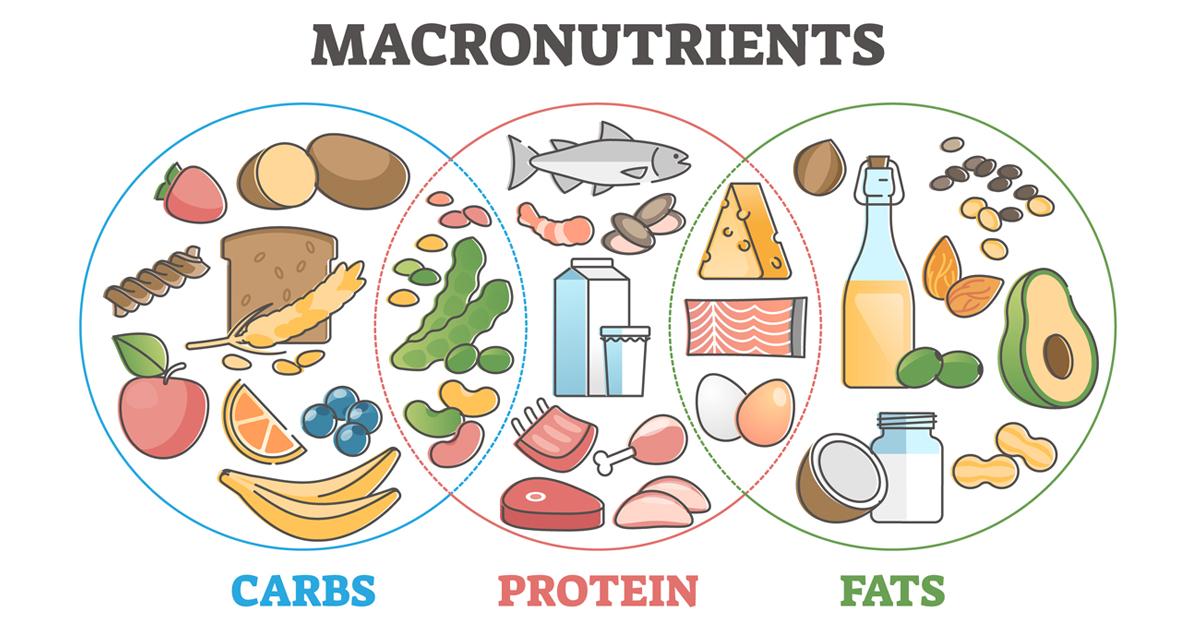
In the quest for a healthier lifestyle, the term “macronutrients” often surfaces, leaving many wondering what it truly means and why it’s significant. Whether you’re trying to shed some pounds, build muscle, or simply maintain your current health, understanding macronutrients is essential for crafting a balanced diet that meets your nutritional needs. This article delves into the three primary macronutrients—carbohydrates,proteins,and fats—exploring their individual roles,the optimal ratios for a balanced diet,and how to incorporate them into your daily meals.By gaining insight into these fundamental components of nutrition,you can empower yourself to make informed dietary choices that support your overall well-being. let’s embark on this journey to demystify macronutrients and unlock the key to a balanced diet.
Table of Contents
- Understanding the Role of Carbohydrates in Energy and Performance
- Exploring Proteins: Building Blocks for Muscle and Overall Health
- The Importance of Fats: Essential Fatty acids and Their functions
- Balancing Macronutrients: Practical Tips for Meal Planning and Portion Control
- To Wrap It Up
Understanding the Role of Carbohydrates in Energy and Performance
Carbohydrates serve as the body’s primary source of energy, playing a crucial role in overall performance, particularly in physical activities. When consumed, carbohydrates break down into glucose, which fuels our cells, muscles, and brain. This energy is essential for everything from everyday activities to high-intensity workouts. Understanding the different types of carbohydrates—simple, complex, and fiber—can aid in choosing the right sources for optimal performance. Incorporating a variety of carbohydrates, such as:
- Whole grains (like brown rice and quinoa)
- Fruits (such as bananas and berries)
- Vegetables (particularly starchy options like sweet potatoes)
is vital for sustaining energy levels throughout the day. Additionally, those engaging in rigorous physical activities or endurance sports may require a higher intake of carbohydrates to replenish glycogen stores effectively. Timing also plays a significant role; consuming carbohydrates before or after workouts can enhance energy availability and recovery. Thus, understanding how to effectively incorporate carbohydrates into your diet can greatly enhance both daily productivity and athletic performance.
Exploring Proteins: Building Blocks for Muscle and Overall Health
Protein is often hailed as the foundation of muscle growth, but its benefits extend far beyond just physical strength.This macronutrient plays a crucial role in various bodily functions, including hormone regulation, immune system support, and cell repair. Including an adequate amount of protein in your diet can definitely help maintain a healthy weight by promoting satiety, making you feel fuller for longer.Some excellent sources of protein include:
- Lean meats – chicken, turkey, and fish
- Plant-based options – legumes, beans, and quinoa
- Dairy products – yogurt, milk, and cheese
- Nuts and seeds – almonds, chia seeds, and lentils
To maximize the benefits of protein in your diet, it’s essential to understand the concept of protein quality.Not all proteins are created equal; they vary in their amino acid profiles. Complete proteins, which contain all nine essential amino acids, are typically found in animal sources, while many plant proteins may lack one or more essential amino acids. Pairing complementary protein sources,such as rice and beans or peanut butter on whole-grain bread,can definitely help ensure you’re receiving the full spectrum of essential nutrients. Balancing your protein intake throughout the day, rather than consuming it all in one meal, can also enhance muscle recovery and overall health.
The Importance of Fats: Essential Fatty Acids and Their Functions
The role of fats in our diet extends far beyond simply adding flavor; they are crucial to various bodily functions.Essential fatty acids (EFAs), such as omega-3 and omega-6, are particularly noteworthy as the body cannot produce them on its own. These fatty acids contribute to the formation of cell membranes, provide energy, and support vital physiological processes.Without adequate intake of EFAs, one may experience various health issues ranging from skin problems to impaired immune function. Incorporating sources of these essential fats, such as fish, walnuts, and flaxseeds, can significantly enhance well-being.
Moreover, fats serve as carriers for fat-soluble vitamins, including A, D, E, and K, which play essential roles in maintaining overall health. These vitamins require dietary fats for proper absorption, making their synergy vital to nutrition. additionally, fats aid in hormone production, including hormones responsible for regulating metabolism and reproductive functions. To maintain a balanced diet, it is imperative to focus on the quality of fats consumed; opting for unsaturated fats from sources like avocados, nuts, and olive oil can help promote a healthy metabolism and support heart health while reducing the risks associated with trans and saturated fats.
Balancing Macronutrients: Practical Tips for Meal Planning and Portion Control
meal planning becomes a breeze when you understand the essentials of macronutrients. Start by categorizing your plates into proteins, carbohydrates, and fats. A balanced dish should typically contain:
- Proteins: Lean meats, fish, beans, or tofu.
- Carbohydrates: Whole grains, fruits, or vegetables.
- Fats: Nuts, seeds, olive oil, or avocado.
To help with portion control, consider using your hand as a guide. As an example,a portion of protein should be about the size of your palm,while carbohydrates can fill a cupped hand,and healthy fats should fit within the size of your thumb. This intuitive method can simplify meal preparation and encourage a balanced intake. Additionally, incorporating a variety of foods will not only enhance nutrition but also keep your meals interesting and satisfying.
To wrap It Up
understanding macronutrients is an essential step toward achieving a balanced diet and enhancing overall health. By familiarizing yourself with carbohydrates, proteins, and fats, you empower yourself to make informed food choices that align with your lifestyle and dietary needs.Remember, the key lies in balance and variety; no single macronutrient should dominate your meals. As you embark on your nutrition journey, consider tracking your intake, experimenting with different food sources, and listening to your body’s signals. With this knowledge in hand, you can cultivate a nourishing diet that supports your goals—be it weight management, increased energy, or improved fitness. Here’s to your health!