


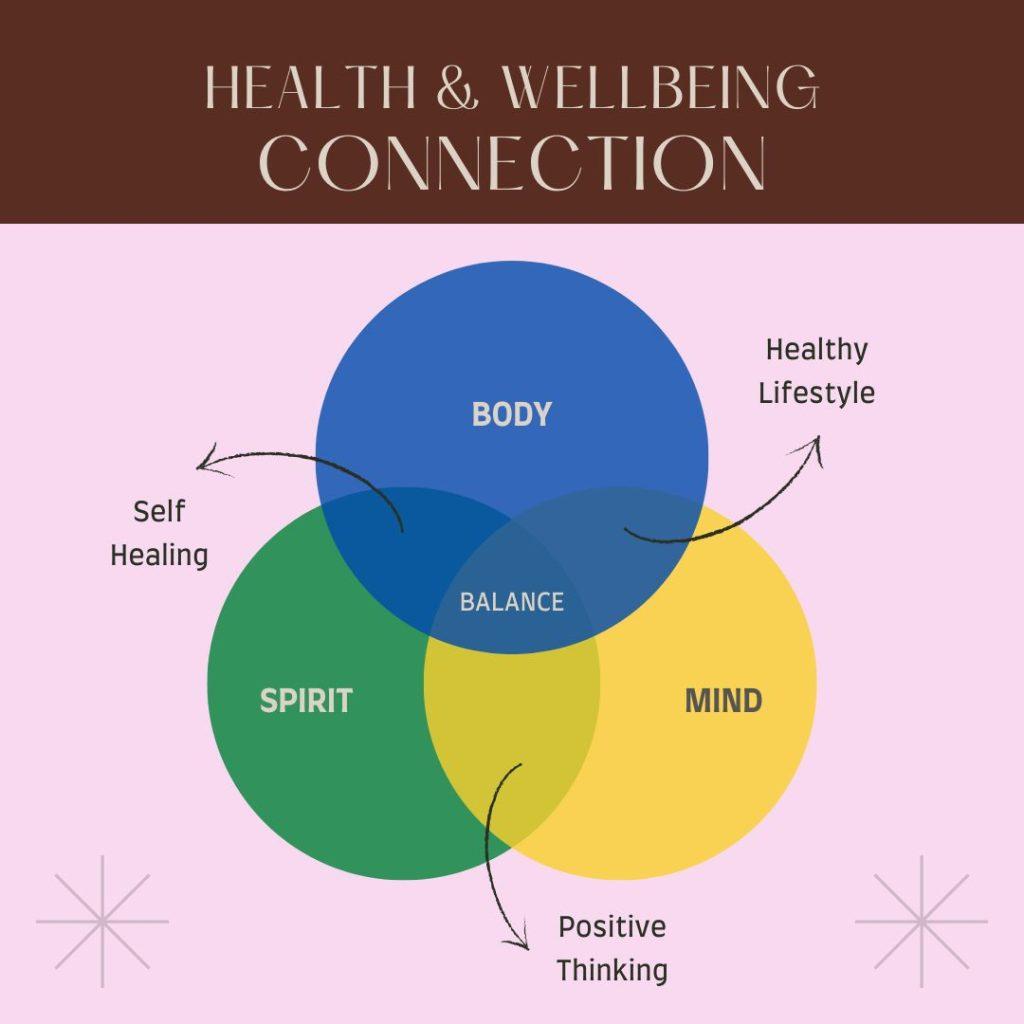
In our fast-paced world, the necessity for a robust mind-body connection has never been clearer. this vital relationship influences not only our physical health but also our mental well-being and emotional resilience. Journaling has emerged as a powerful tool to cultivate this connection, allowing us to reflect, process, and understand our experiences on a deeper level. In this article, we’ll explore a curated selection of journaling prompts designed to enhance your mind-body connection. Whether you’re new to journaling or seeking fresh inspiration, these thought-provoking questions will guide you on a journey toward greater self-awareness and holistic health. Join us as we unlock the transformative potential of your inner dialog.
Table of Contents
- Enhancing Self-Awareness Through Guided Journaling Prompts
- Exploring Emotions and Physical Sensations for a Deeper Connection
- Building Mindfulness Practices with Effective Journaling Techniques
- Integrating Reflection into Daily Routines for Lasting Well-Being
- Concluding remarks
Enhancing Self-Awareness Through Guided Journaling Prompts
Guided journaling can serve as a powerful tool for enhancing self-awareness and promoting introspection. by engaging with specific prompts, individuals can delve deeper into their thoughts and emotions, unlocking insights that lead to personal growth. Consider exploring questions that provoke thought,such as:
- What three words best describe your current emotional state,and why?
- Reflect on a recent decision you made. What values influenced your choice?
- When do you feel most at peace? Describe the setting and your feelings in detail.
These prompts not only encourage reflection but also help in identifying patterns in behavior and emotions. Regular journaling can reveal recurring themes in your life, motivating change and improvement. To deepen this experience, try to pair your writing with somatic practices like mindful breathing or gentle movement, which can enhance the mind-body connection. Some additional thought-provoking prompts to consider might include:
- What past experiences shaped your beliefs about yourself?
- How do you respond to stress, and what alternative strategies could you adopt?
- In what ways can you cultivate gratitude in your life?
Exploring Emotions and Physical Sensations for a Deeper Connection
Connecting your emotions with physical sensations can illuminate pathways to self-finding and wellbeing. By tuning into what your body is feeling in response to your emotional landscape,you can uncover insights that promote healing and creativity. Try these journaling prompts to facilitate exploration:
- What physical sensations do you associate with joy? Describe the feelings in your body when you experience happiness.
- Identify a recent moment of stress. Where do you feel tension or discomfort? What emotions does this tension prompt?
- Reflect on a time you felt deep gratitude. What physical sensations accompanied this feeling? How did it affect your overall state?
- Notice a recurring body sensation. Pair it with an emotion that arises; what stories do these elements tell about your experience?
Finding the dialogue between emotions and sensations allows for a richer understanding of oneself.As you engage with this practice,consider how different environments and social interactions influence your emotional and physical state. Use these additional prompts to deepen your exploration:
- How does your body react to anxiety? Explore the specific areas that feel altered or strained.
- Describe a moment of connection with someone. What physiological responses did you notice during this interaction?
- What emotions arise during solitude? How does being alone affect your physical sensations?
- Write about a powerful memory. What physical feelings are triggered as you recall this event?
building Mindfulness Practices with Effective Journaling Techniques
Journaling can be an incredible tool for cultivating mindfulness and enhancing the mind-body connection. By integrating effective techniques into your writing practice, you can deepen self-awareness and emotional resilience. Consider these simple yet powerful prompts to guide your reflections:
- Describe your current physical sensations: Take a moment to note how your body feels in the present. Are there areas of tension or relaxation?
- Reflect on your emotions: What feelings are you experiencing right now? Acknowledge them without judgment.
- Explore gratitude: Write down three things you’re grateful for today. How do they make you feel?
- Set an intention: What do you want to focus on today? It could be peace, creativity, or self-love.
- Visualize your breath: Write about the rhythm of your breathing and how it connects you to the present moment.
By incorporating these prompts into your journaling routine, you empower yourself to cultivate a deeper, more meaningful relationship with your thoughts and feelings. Additionally, consider implementing a consistent time and space for your journaling practice.This could mean establishing a cozy corner in your home, using calming music, or even lighting a scented candle. As you write, aim to invite clarity and presence, allowing the act of journaling to become a genuine expression of your inner world.
Integrating Reflection into Daily Routines for Lasting Well-Being
incorporating reflection into your daily routines can substantially enhance your overall well-being. By setting aside just a few minutes each day, you can deepen your mind-body connection and unlock layers of self-awareness. Consider establishing a dedicated time for journaling, whether it’s in the morning to set intentions or in the evening to unwind. Here are some effective techniques to make this a seamless part of your day:
- Morning Pages: Write three pages of freeform thoughts to clear your mind and spark creativity.
- Gratitude Lists: Jot down three things you’re grateful for, fostering a positive mindset.
- Reflective questions: Ask yourself pivotal questions like, “What did I learn today?” or “How did I feel in this moment?”
- Mood Tracking: Note your emotions at various times, identifying patterns that may arise.
To amplify the effectiveness of your reflections, aim for honesty and vulnerability in your writing.Embrace whatever feelings surface—joy, frustration, or confusion—as these are gateways to personal growth.Moreover, consider integrating visualization exercises alongside your journaling. Picture your ideal day or the steps needed to achieve a goal, and then write about it. This approach can enhance clarity and motivate actionable change:
- Daily Affirmations: Craft a statement that encourages self-belief and positivity.
- Future Visioning: Describe where you see yourself in a year,focusing on specifics to ignite your motivation.
- Lessons learned: Reflect on recent challenges and identify the lessons they brought.
Concluding Remarks
Conclusion
Incorporating journaling into your daily routine can be a transformative practice that deepens your mind-body connection.By engaging with the prompts outlined above, you’re not just putting pen to paper; you’re cultivating a richer understanding of your thoughts, emotions, and physical sensations. This holistic approach not only fosters self-awareness but also paves the way for greater emotional resilience and overall well-being.
As you embark on this journaling journey,remember that there are no right or wrong answers—what matters is the authenticity of your reflections. Take your time, embrace the process, and watch as your mind and body begin to communicate in new and profound ways.
so grab your journal, find a quiet space, and let the words flow. Your journey to enhancing the mind-body connection starts now!