



When it comes to nutrition and health, hydration often takes a back seat to the more glamorous aspects of diet, such as superfoods and trendy supplements. However, water is basic to our well-being, playing a critical role in numerous bodily functions. From aiding digestion and nutrient absorption to regulating body temperature and supporting cognitive function, the importance of staying adequately hydrated cannot be overstated. In this article, we’ll delve into the intricate relationship between hydration and overall health, exploring how proper fluid intake can bolster your nutritional efforts and enhance your quality of life. Whether you’re a fitness enthusiast, a busy professional, or just someone looking to improve their health, understanding the role of hydration is essential. Join us as we uncover how to make hydration a vital part of your daily routine.
Table of Contents
- Understanding the Importance of Hydration in Daily Nutrition
- the Impact of Dehydration on Physical and Mental Performance
- Tips for Staying Hydrated Throughout the Day
- key Beverages that Boost hydration and nutritional Value
- Closing Remarks
Understanding the Importance of Hydration in daily Nutrition
Hydration plays a vital role in maintaining various bodily functions that are essential for our overall health. Water is a key component in regulating temperature, transporting nutrients, and aiding digestion.When we think of nutrition, it’s easy to focus solely on macronutrients like proteins, fats, and carbohydrates, but without adequate hydration, these processes can become less efficient. Ensuring proper fluid balance helps in:
- Enhancing physical performance: Staying hydrated can prevent fatigue and improve endurance during physical activities.
- Supporting cognitive functions: Adequate hydration is crucial for maintaining focus, memory, and overall mental clarity.
- Facilitating nutrient absorption: Water aids in breaking down food, ensuring that vitamins and minerals are effectively absorbed by the body.
Moreover,hydration is essential for detoxification,assisting the kidneys and liver in eliminating waste from the body. Dehydration can lead to various adverse effects, including headaches, constipation, and even kidney stones. It’s important to incorporate not just water but also hydrating foods into your diet. Foods such as:
- Fruits: Watermelon, oranges, and strawberries
- Vegetables: Cucumber, lettuce, and zucchini
- Beverages: Herbal teas and coconut water
can considerably contribute to your daily hydration needs. As you navigate your nutritional choices, remember that maintaining hydration is not just about drinking water but embracing a holistic approach to your diet for optimal health and well-being.
The Impact of Dehydration on Physical and Mental Performance
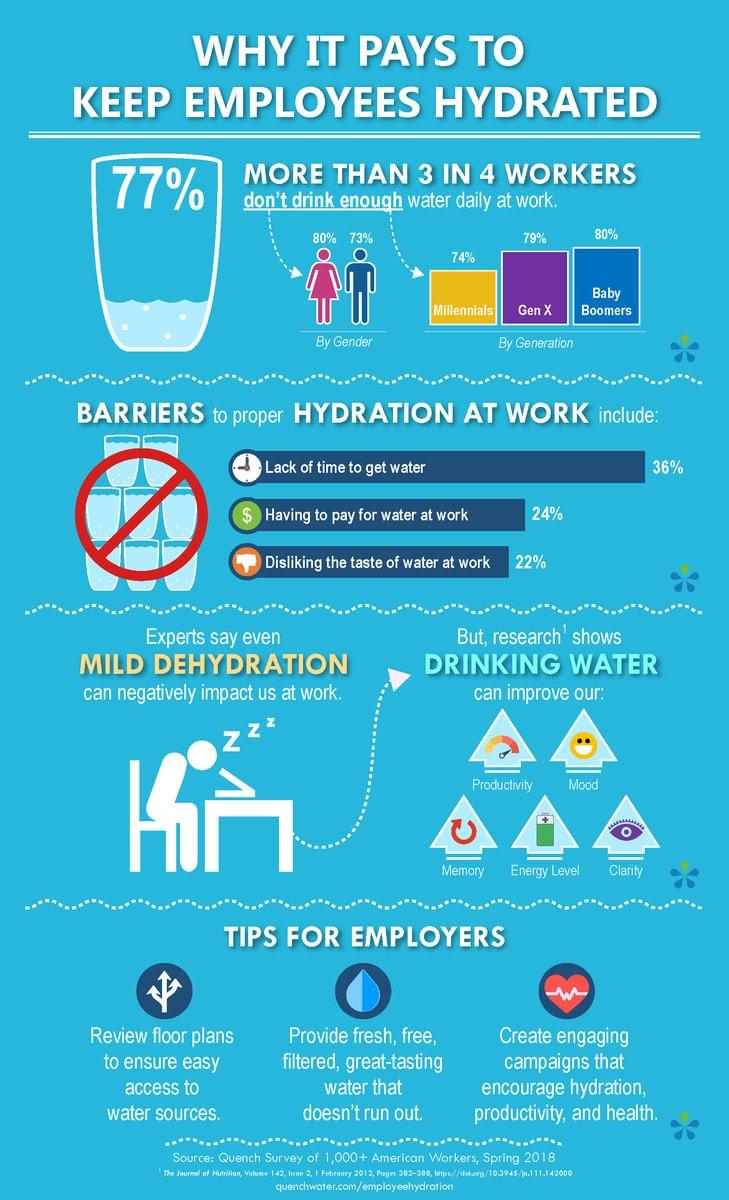
Dehydration can drastically hinder both physical and mental performance, affecting your overall ability to function optimally. When the body loses more fluids than it takes in, even mild dehydration can lead to notable impairments. For athletes and active individuals, this condition might manifest as reduced endurance, increased fatigue, or even muscle cramps. In daily tasks, individuals may notice diminished coordination, slower reaction times, and decreased motivation, making even routine activities feel laborious.
Mental acuity is equally compromised by dehydration. research suggests that insufficient hydration can lead to a range of cognitive challenges, such as decreased concentration and impaired memory. Emotional stability may waver, with individuals more prone to feelings of anxiety or irritability. A few of the notable impacts include:
- Increased fatigue: A feeling of lethargy that hampers productivity.
- Concentration issues: Difficulty in focusing on tasks at hand.
- Memory lapses: Trouble recalling facts or retaining new knowledge.
Tips for Staying Hydrated Throughout the Day
Staying hydrated can sometimes feel like a chore, but incorporating small habits into your daily routine can make a significant difference. Consider starting your day with a glass of water first thing in the morning. This simple action not only kickstarts your hydration but can also help boost your metabolism. Throughout the day, keep a reusable water bottle within reach. Having it nearby serves as a constant reminder to sip regularly. You might also find it helpful to set reminders on your phone or use apps that track your water intake, ensuring you meet your hydration goals.
Along with drinking water, adding a variety of hydrating foods to your diet can be incredibly beneficial. Fruits and vegetables with high water content can make staying hydrated enjoyable.Here are some excellent options to include:
- Watermelon – Refreshing and sweet, perfect for summer.
- Cucumbers – crisp and versatile, great in salads or as snacks.
- Strawberries - Packed with flavor and vitamins, a wonderful addition to smoothies.
- Spinach – A nutrient-rich leafy green that can be added to various dishes.
By integrating both hydration strategies, you can effectively support your health and enhance your daily energy levels.
Key Beverages that Boost Hydration and Nutritional Value
When it comes to enhancing hydration and contributing to nutritional needs, several beverages rise to the top. Water, often overlooked, remains the gold standard for hydration. Though, incorporating other drinks can bring additional nutrients to your daily intake. Consider these options:
- Coconut Water: Naturally rich in electrolytes, it’s especially hydrating post-exercise and a great alternative to conventional sports drinks.
- Herbal Teas: Whether hot or iced, herbal teas can be infused with antioxidants while offering calming properties and a delicious flavor.
- fresh Fruit Juices: Juices made from citrus or berries not only quench your thirst but also provide vitamins and minerals.
- Broth or Bone Broth: Packed with nutrients, they’re a warm, hydrating choice that supports gut health.
Beyond traditional hydration, smoothies and shakes can serve as both a beverage and a meal. They can be enhanced with various ingredients, making them nutrient-dense options. Here are some ideas to consider:
- Green smoothies: Loaded with spinach or kale, blended with fruits, they offer hydration and a boost of vitamins.
- Protein Shakes: Using whey or plant-based protein, these shakes can help replenish your body and keep you full.
- Infused Water: Adding slices of cucumber, lemon, or berries to water can elevate the taste and make hydration more appealing.
Closing Remarks
As we wrap up our exploration of hydration’s role in nutrition and overall health, it becomes clear that water is not just a basic biological necessity but a cornerstone of well-being. Whether you’re an athlete striving for peak performance or simply aiming to enhance your daily routine, staying properly hydrated can yield transformative benefits for your body and mind.From improving digestion and regulating body temperature to boosting energy levels and supporting cognitive function, the advantages of prioritizing hydration are abundant. Remember that individual needs vary, influenced by factors such as age, activity level, and climate. Listening to your body and making conscious choices about your fluid intake can set the foundation for a healthier lifestyle.
As you move forward, consider incorporating simple habits into your daily life—like carrying a reusable water bottle, setting reminders, or enjoying water-rich fruits and vegetables. Your body will thank you, and your journey to better health will be all the more rewarding.We hope this article has provided valuable insights into the often-overlooked importance of hydration. Stay tuned for more discussions on nutrition and wellness,and remember: every sip counts!