


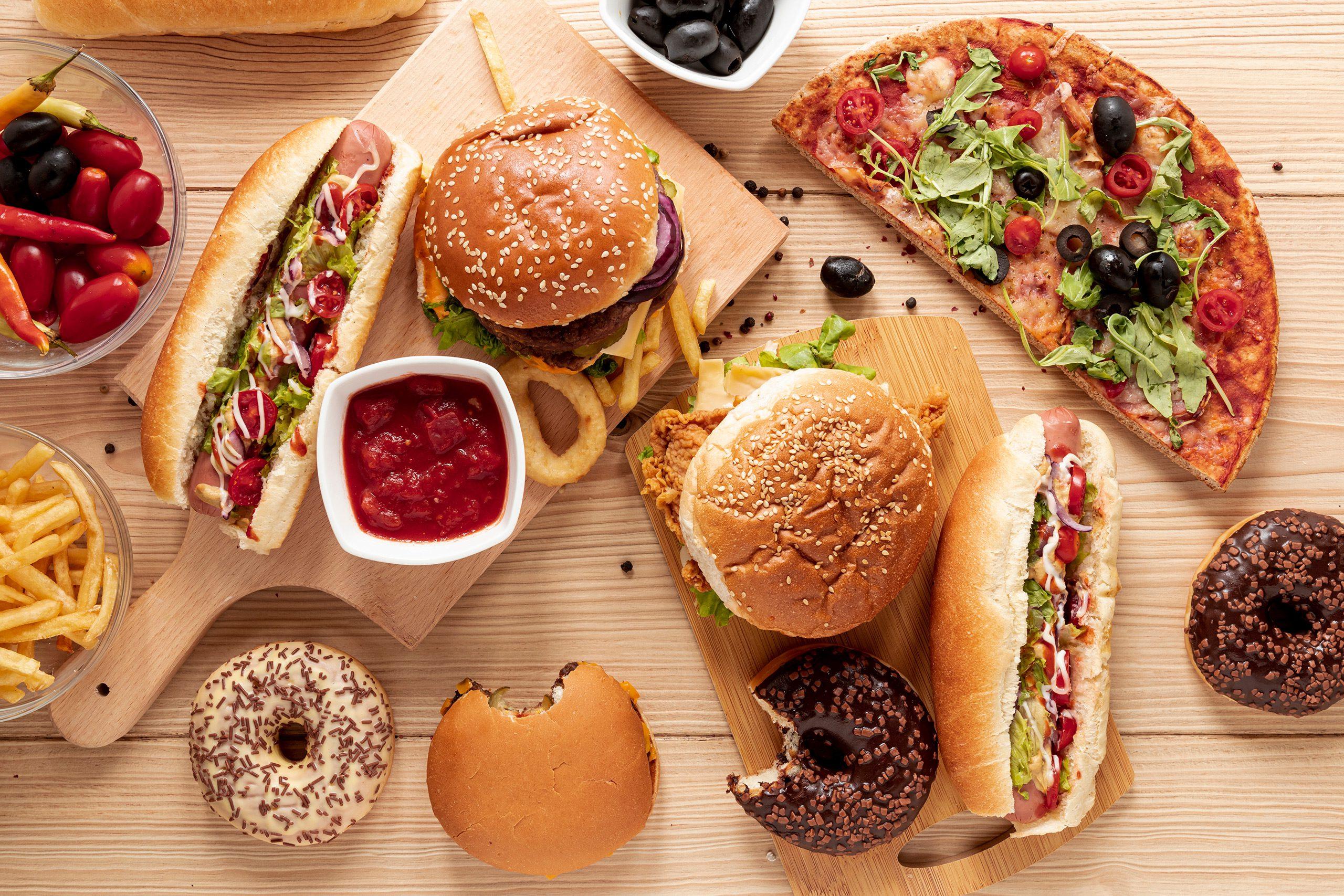
In today’s fast-paced world, fast food has become a convenient staple for many people. With its affordability and quick service, it’s no wonder that drive-thrus and takeout options have proliferated. Though, beyond the immediate satisfaction of a quick meal lies a complex web of long-term health implications that have sparked considerable debate among health experts and nutritionists. In this article, we’ll delve into the potential consequences of regular fast food consumption, examining how it influences everything from weight management to chronic diseases. By understanding these effects,we can make more informed choices about our diets and lifestyle. join us as we uncover the intricate relationship between fast food and our long-term health.
Table of Contents
- Understanding the Nutritional Impact of Fast Food on Long-term Health
- Recognizing the Connection Between Fast Food and Chronic Diseases
- Exploring Psychological Effects of Fast Food Consumption
- Making Healthier Choices: Tips for Reducing Fast Food Intake
- Future Outlook
Understanding the Nutritional Impact of Fast Food on long-Term Health
The convenience of fast food often overshadows its nutritional implications, leading many to overlook its long-term consequences on health. Regular consumption of these high-calorie meals can contribute to a variety of chronic conditions, including:
- Obesity: Fast food is typically high in fats and sugars, which can lead to weight gain over time.
- Heart Disease: Trans fats and excessive sodium found in many fast food items can elevate blood pressure and cholesterol levels.
- Type 2 Diabetes: A diet high in refined carbohydrates can impair insulin sensitivity.
- Digestive Issues: Low fiber content in fast food can lead to long-term gastrointestinal problems.
Moreover,the nutritional value of fast food is often compromised in favor of taste and convenience. Many items are stripped of essential vitamins and minerals,affecting overall health. The reliance on fast food can also foster unhealthy eating habits, causing imbalances in dietary patterns. Key concerns include:
- Nutrition Deficiency: Regularly choosing fast food can result in insufficient intake of vital nutrients.
- Addiction to Sugar and Salt: Highly processed meals can lead to cravings for unhealthy options, making it harder to adopt healthier choices.
- Lower energy Levels: Poor nutrition can manifest as fatigue, impacting daily activities.
Recognizing the Connection Between Fast Food and Chronic Diseases
In recent years, a growing body of research has highlighted the alarming link between fast food consumption and the onset of various chronic diseases. Individuals who frequently indulge in these convenient yet calorie-dense meals may find themselves at a higher risk for conditions such as:
- obesity: Fast food is frequently enough loaded with sugars and unhealthy fats, contributing to weight gain.
- Heart Disease: A diet high in saturated fats and sodium can lead to cardiovascular issues over time.
- Diabetes: The high glycemic index of many fast food items can lead to insulin resistance and Type 2 diabetes.
- cancer: Some studies have suggested links between processed foods and higher cancer rates, notably colorectal cancer.
The ingredients used in many fast food items, frequently enough high in preservatives and artificial additives, can also negatively impact overall health. The frequent consumption of these foods may lead to poor nutritional habits marked by:
- Inadequate Nutrients: fast food diets frequently enough lack essential vitamins and minerals.
- Increased Cravings: The high sugar and fat content can trigger cravings for more unhealthy food.
- Digestive Issues: The lack of fiber in fast food can lead to digestive problems.
- Mental Health Impacts: Emerging research suggests a connection between junk food and higher rates of depression and anxiety.
exploring Psychological Effects of Fast Food Consumption
Fast food consumption has become a ubiquitous part of modern life, not only influencing physical health but also significantly impacting mental well-being. Many individuals exhibit patterns of emotional eating where thay turn to quick meals as a source of comfort. This behavior can create a cycle of reliance on fast food to cope with stress or low mood, leading to fluctuating emotions and potential addiction-like tendencies.Over time, these habits can cultivate feelings of guilt and shame, resulting in a negative self-image as individuals struggle to reconcile their eating choices with their health aspirations.
the psychological effects extend beyond individual health, influencing social dynamics and personal relationships. Common outcomes of frequent fast food consumption include:
- Increased Anxiety: Regular indulgence in unhealthy foods can exacerbate anxiety levels, particularly when linked to body image concerns.
- Depressive Symptoms: Studies suggest a correlation between diets high in processed foods and feelings of depression, possibly due to nutrient deficiencies.
- Social Isolation: Individuals might avoid social situations that center around food, fearing judgment for their eating choices, thus isolating themselves further.
This interconnectedness between dietary habits and psychological states highlights the need for a deeper understanding of how fast food choices affect mental health and well-being in the long run.
Making Healthier Choices: Tips for Reducing Fast Food Intake
making conscious food choices can lead to meaningful improvements in overall health. To decrease your fast food consumption, start by planning your meals for the week. this helps in avoiding last-minute decisions that often result in unhealthy takeouts. Consider the following tips:
- Prepare meals at home: Cooking your own food allows you to control ingredients and portion sizes.
- Carry healthy snacks: Keep fruits, nuts, or yogurt handy to curb hunger and avoid fast food temptations.
- Experiment with recipes: Discover new, exciting dishes that focus on whole foods and fresh ingredients.
Additionally, reevaluate your dining habits. If fast food is frequently your go-to option, it might be beneficial to change your routine. Identify specific times or situations that lead to fast food cravings. To support this shift, try:
- Setting designated meal times: Stick to a routine that encourages healthy eating patterns.
- Choosing restaurants wisely: Opt for places that offer healthier alternatives when dining out.
- Engaging in mindful eating: Pay attention to your hunger cues and savor each bite to make more satisfying meal choices.
Future Outlook
As we wrap up our exploration of the long-term health effects of fast food consumption, it’s clear that while these convenient meals may satisfy our taste buds, they can have significant implications for our well-being. From potential weight gain and metabolic issues to an increased risk of chronic diseases, the evidence can’t be ignored.
However,knowledge is power.By understanding the risks associated with regular fast food consumption, we can make more informed choices about our diets. Balance and moderation are key. Occasional indulgence can be part of a healthy lifestyle, but prioritizing whole, nutritious foods can help pave the way for better long-term health outcomes.
As we move forward, it’s essential to continue the conversation around food choices and their impact on our health. Whether you’re a fast food lover or seeking ways to reduce consumption, remember that every small step toward healthier choices can make a significant difference over time. Stay informed, stay balanced, and take care of your health. Until next time, happy eating!