


Introduction: A
In today’s fast-paced world, making informed choices about what we eat can feel overwhelming.With countless diets, trends, adn food options vying for our attention, it’s essential to focus on the foundation of good nutrition: nutrient-dense foods. These foods pack a powerful punch, delivering essential vitamins, minerals, and other beneficial compounds without excess calories. Whether you’re looking to boost your energy, improve your overall health, or simply make better food choices, understanding how to identify and incorporate nutrient-dense foods into your diet is key. In this guide, we’ll explore the principles of nutrient density, provide tips for selecting the best options, and share practical strategies for making these foods a regular part of your meals. Let’s embark on a journey toward better health, one bite at a time.
Table of Contents
- Understanding Nutrient Density and its Importance for Health
- Identifying Nutrient-Dense Foods: Key Categories and Examples
- Practical Tips for Incorporating Nutrient-Dense Foods into Your Diet
- Balancing Nutrient Density with Dietary Preferences and Lifestyle Choices
- Wrapping Up
Understanding Nutrient Density and Its Importance for Health
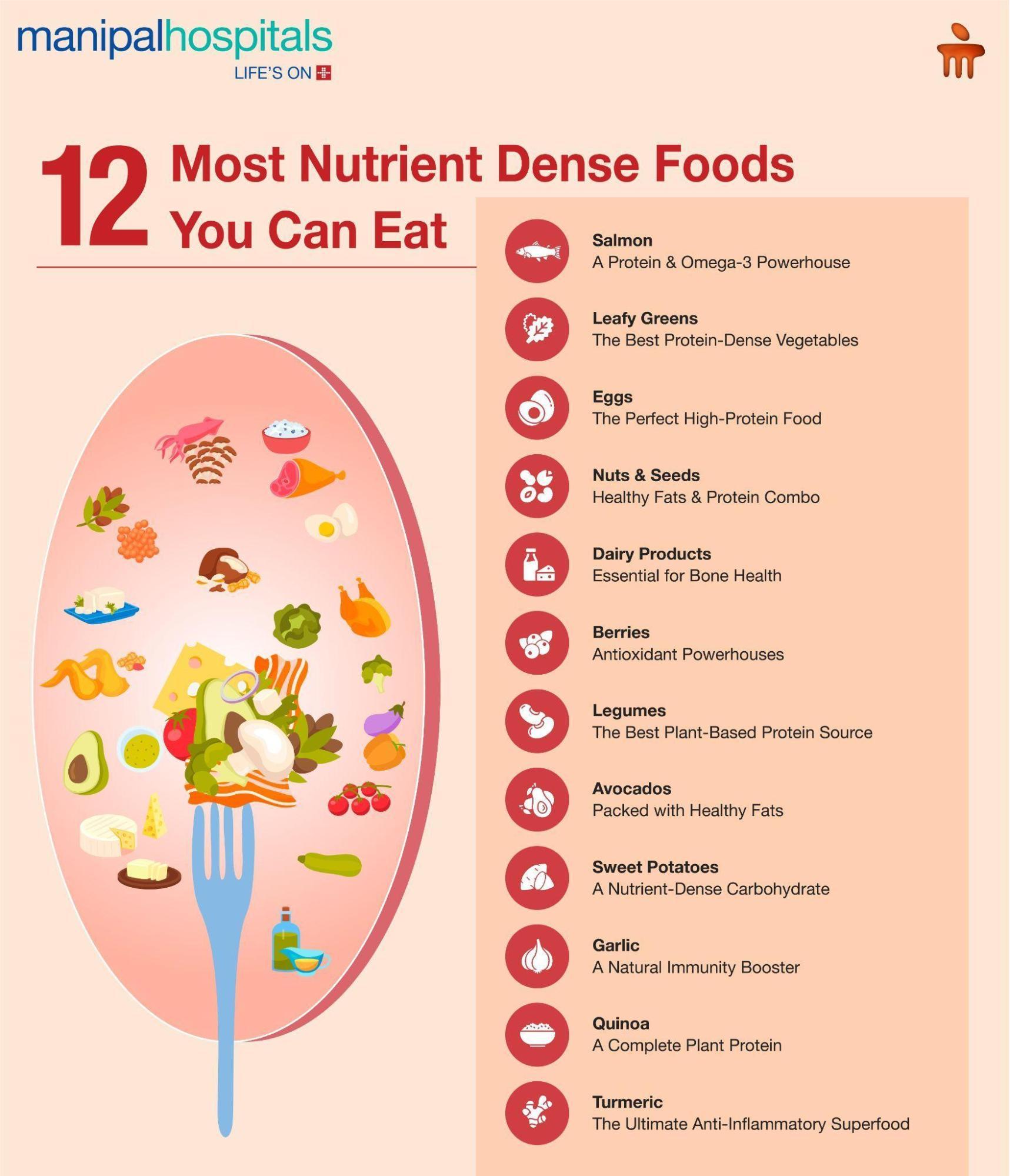
Nutrient density is a key concept that focuses on the amount of essential nutrients contained in a food item compared to its calorie content. Foods that are high in nutrient density provide a significant amount of vitamins, minerals, and other beneficial compounds without packing in excess calories. Incorporating these foods into your diet can lead to improved health outcomes, as they support various bodily functions and help maintain a balanced diet. Examples of nutrient-dense foods include:
- Leafy greens like spinach and kale
- Cruciferous vegetables such as broccoli and cauliflower
- Fruits that are rich in antioxidants, including berries and citrus
- Whole grains like quinoa and brown rice
- Lean proteins such as fish, poultry, and legumes
Choosing nutrient-dense foods not only promotes better health but also aids in weight management. When you prioritize nutritionally rich options, you will likely feel fuller and more satisfied while consuming fewer calories. Additionally,these foods can help reduce the risk of chronic diseases,enhance energy levels,and improve overall well-being. To further enhance your meals, consider:
- Incorporating colorful vegetables into your dishes for variety
- Choosing whole foods over processed alternatives
- Making meals from scratch to control ingredients
- Pairing different food groups for a balanced plate
Identifying Nutrient-Dense Foods: Key Categories and Examples
When it comes to nurturing your body, focusing on nutrient-dense foods can make a significant difference in your overall health. These foods provide a high concentration of vitamins, minerals, and other essential nutrients relative to their calorie count.Key categories to consider include:
- Leafy Greens: Spinach,kale,and Swiss chard are rich in vitamins A,C,and K while being low in calories.
- Fruits: Berries, oranges, and avocados offer fiber and antioxidants, supporting heart health and digestion.
- Whole Grains: Quinoa, brown rice, and oats are packed with fiber, B vitamins, and minerals, making them excellent choices.
- Lean Proteins: Chicken breast, fish, and legumes provide essential amino acids without high levels of saturated fats.
- Certain Dairy Products: Greek yogurt and cottage cheese are loaded with protein and probiotics, promoting gut health.
Incorporating these foods into your daily meals can enhance your nutrient intake while keeping meals satisfying and flavorful. Don’t overlook the importance of healthy fats such as those found in nuts, seeds, and olive oil. These fats can improve heart health and support nutrient absorption. Additionally, consider the benefits of including fermented foods like kimchi and sauerkraut, which can bolster your digestive system and boost your immune response.
Practical Tips for Incorporating Nutrient-Dense Foods into Your Diet
Incorporating nutrient-dense foods into your daily meals can transform your overall health. Start by stocking your kitchen with a variety of colorful fruits and vegetables. These not only add flavor but also provide essential vitamins and minerals. Consider adding items like:
- spinach – Packed with iron and antioxidants
- Quinoa – A complete protein source
- Berries – High in antioxidants and fiber
- Salmon – Rich in omega-3 fatty acids
Another effective strategy is to make small, gradual changes to your diet. Instead of overhauling your meals overnight, try replacing less nutritious options with more nourishing ones. For example, swap out white rice for brown rice or whole grains.You can also explore creative cooking methods—like steaming or grilling—that enhance the natural flavors of food while preserving their nutrients. Don’t forget to keep snacks on hand, such as:
- Nuts – A great source of healthy fats and protein
- Greek yogurt – High in protein and probiotics
- Vegetable sticks – Great with hummus for a nutritious dip
Balancing Nutrient Density with Dietary Preferences and Lifestyle Choices
finding the right balance between nutrient density and personal dietary preferences can sometimes feel like a juggling act. To navigate this, consider your unique lifestyle choices, including your activity level, food sensitivities, and cultural influences. This thoughtful approach allows you to incorporate a variety of foods that not only nourish your body but also satisfy your tastes. Here are some strategies to blend these aspects harmoniously:
- Explore diverse Options: try incorporating various whole foods from different food groups, such as fruits, vegetables, whole grains, lean proteins, and healthy fats. This promotes a broader nutrient spectrum.
- Moderation is Key: Even your favorite indulgent foods can fit into a balanced diet. Enjoy them in moderation while prioritizing nutrient-dense options.
- Listen to Your Body: Pay attention to how different foods make you feel. Adjusting your choices based on how your body reacts can lead to more satisfaction and better health.
Additionally,consider meal prepping to align with your busy lifestyle. Preparing nutrient-dense meals in advance allows you to simplify your food choices while staying true to your dietary preferences. You can focus on incorporating seasonal ingredients or local produce, bolstering both nutrition and taste without straying from your culinary traditions. Here are a few practical tips to keep in mind:
- Plan Your Meals: Create a weekly menu that includes a mix of nutrient-dense foods that you enjoy.
- Swaps and Substitutions: Try healthier alternatives for some of your favorite high-calorie items to maintain enjoyment while increasing nutrient density.
- Stay informed: Educate yourself on the nutrient content of various foods to make informed decisions that cater to your lifestyle without compromising health.
Wrapping Up
Conclusion
As we wrap up our exploration of nutrient-dense foods, remember that understanding what you eat is a vital step toward achieving better health. Incorporating these foods into your daily routine can make a significant difference in your overall well-being, offering your body the essential nutrients it craves.By focusing on whole, unprocessed foods and finding balance in your diet, you’re more likely to experience enhanced energy levels, improved mood, and reduced risk of chronic diseases. Whether you’re a cooking novice or a seasoned chef, experimenting with various nutrient-dense options can be both enjoyable and rewarding.
Take your time with these changes, and don’t hesitate to reach out for guidance or inspiration. Your journey to better health starts with informed choices, and every small step counts. Here’s to a healthier,more vibrant you!