


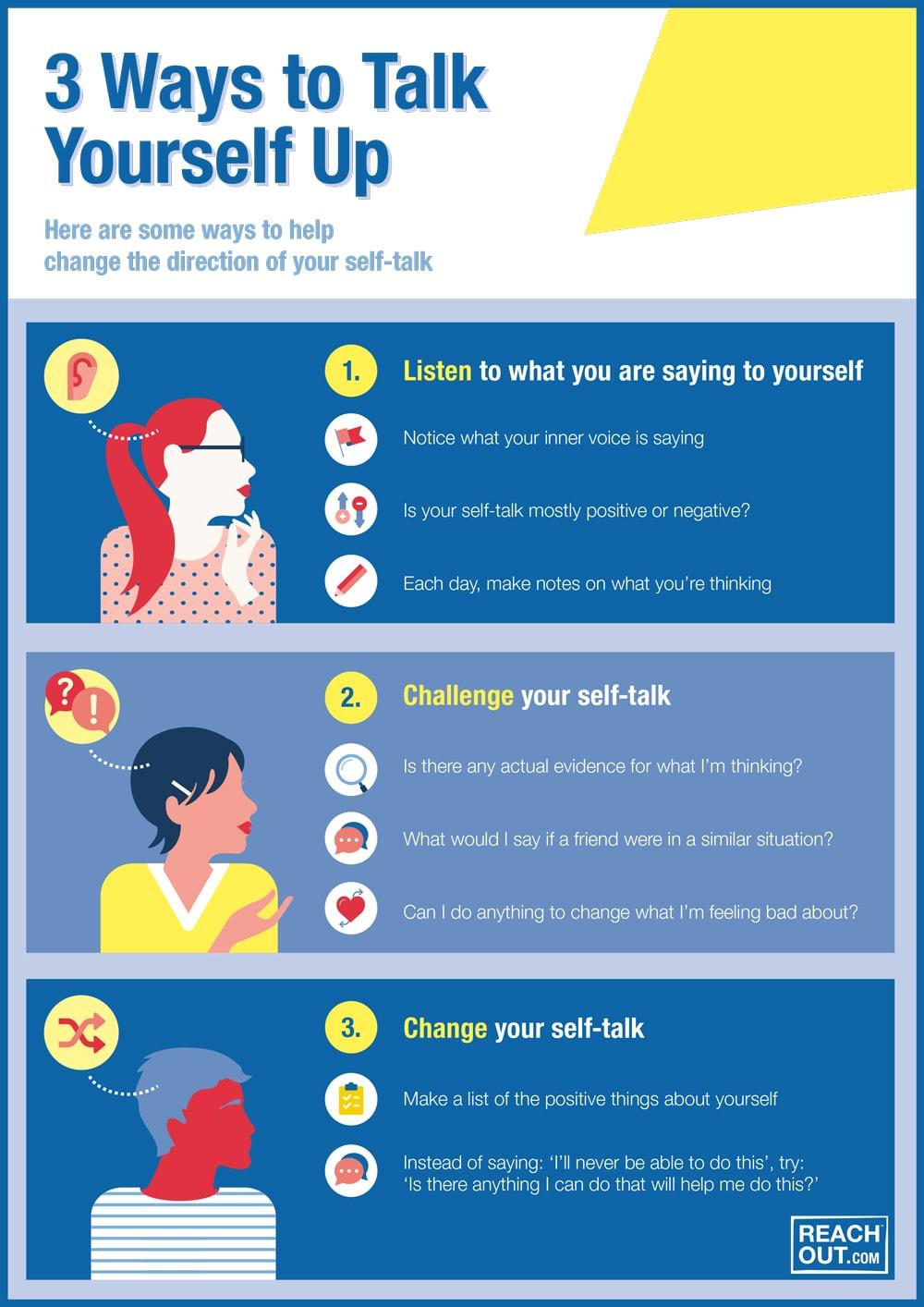
in our fast-paced, modern world, the chatter within our minds often goes unnoticed, yet it wields remarkable power over our lives. The way we speak to ourselves—our self-talk—can considerably influence not just our emotional wellbeing, but also our physical health, particularly our immune system. Emerging research suggests that the messages we internalize can shape our body’s responses, ultimately impacting our resilience against illnesses. In this article, we will explore the intriguing connection between self-talk and immune health, uncovering the physiological mechanisms at play and offering practical strategies to harness the potential of positive self-dialog. Join us as we delve into the science behind self-talk, its profound implications for our immune function, and how fostering a kinder inner dialogue can pave the way for a healthier life.
Table of Contents
- Understanding Self-Talk and Its Psychological Impact on Immunity
- The Science Behind Self-Talk: Neurochemistry and Immune response
- Practical Techniques for Positive Self-Talk to Boost Immune Health
- Integrating self-Talk Strategies into Daily Life for Enhanced Well-Being
- Final Thoughts
Understanding Self-Talk and Its Psychological Impact on Immunity
Self-talk is an internal dialogue that can significantly shape our emotional and psychological landscapes. Scientific studies have shown that individuals with a positive self-talk pattern are more likely to experience improved mental resilience,which,in turn,can enhance their immune response. When we engage in constructive self-talk, we foster a mindset that promotes stress reduction and emotional well-being, both crucial factors for maintaining a healthy immune system.Positive affirmations can:
- Enhance mood stability: This leads to decreased levels of cortisol, the stress hormone that can compromise immune function.
- Encourage proactive health choices: A positive mindset inspires individuals to practise healthier habits, such as regular exercise and nutritious eating.
- Boost social connections: Positive self-talk cultivates an open attitude toward relationships,which can provide vital emotional support.
Conversely, negative self-talk can act as a double-edged sword, cutting into our psychological and physical well-being. Those who frequently engage in self-critical dialogue are likely to experience higher levels of stress and anxiety, which can weaken the immune response. This phenomenon occurs due to the body’s physiological reaction to negative thoughts, including heightened inflammation and suppressed antibody production. Recognizing the detrimental effects of negative self-talk is essential for anyone looking to bolster their immune health. Techniques to mitigate negative self-talk include:
- Mindfulness practices: Fostering present-moment awareness can prevent spiraling negative thoughts.
- Cognitive restructuring: Deliberately challenging and reframing negative beliefs promotes healthier thought patterns.
- Gratitude exercises: Regularly acknowledging what you are thankful for can shift focus away from negativity.
The Science Behind Self-Talk: Neurochemistry and Immune Response
The intricate connection between our thoughts and our body’s systems is increasingly supported by research in neurochemistry. When we engage in positive self-talk, our brain releases beneficial neurotransmitters such as dopamine and serotonin. These chemical messengers play a crucial role in enhancing mood and reducing stress levels.As stress diminishes, the body’s cortisol levels decrease, leading to improved overall health. Conversely, negative self-talk can trigger a cascade of neurochemical reactions that heighten stress, resulting in inflammatory responses that adversely affect our immune system.
Moreover, the immune system is not merely a defense mechanism but is intricately linked with our emotional and mental states. Studies show that positive self-talk can enhance the production of immune-boosting proteins such as cytokines, which are vital for combating infections. By reframing negative thoughts and cultivating a more positive mindset, individuals may experience not just improved mental well-being, but also a notable boost in immune function. Some key factors to consider include:
- Mindset: Adopting a growth-oriented viewpoint
- consistency: Regular practice of positive affirmations
- Stress Management: Techniques to mitigate negative self-talk
Practical Techniques for Positive Self-Talk to Boost Immune Health
To harness the power of positive self-talk for bolstering immune health,start by incorporating daily affirmations into your routine. These affirmations should be specific, actionable, and uplifting, such as:
- “I prioritize my health with each positive choice I make.”
- “My body is resilient and capable of healing.”
- “I nurture my immune system with love and care.”
Repeating these phrases can create a mental environment that promotes well-being. Additionally, practice reframing negative thoughts. When you catch yourself thinking, “I’m always getting sick,” try transforming it into, “I take proactive steps to stay healthy.” This not only helps reduce anxiety but also reinforces a mindset conducive to immune vitality.Pair this technique with mindfulness exercises—spending a few minutes each day in meditation or reflective solitude can significantly enhance your focus and emotional resilience.
Integrating Self-Talk Strategies into Daily Life for Enhanced Well-Being
Integrating self-talk strategies into your daily routine can significantly enhance your emotional and physical well-being. By being mindful of your internal dialogue,you can create a positive impact not only on your mindset but also on your immune health. Here are some effective ways to incorporate self-talk into your life:
- Start your mornings with affirmations: Begin your day by reciting positive affirmations that inspire feelings of strength and resilience. Simple phrases like “I am capable” or “My body is strong and healthy” can set a positive tone for the day.
- Practice mindfulness meditation: allocate a few minutes each day to focus on your thoughts, acknowledging any negative self-talk and gently replacing it with positive alternatives.
- Journaling for reflection: Keep a journal to document your thoughts and feelings, particularly focusing on instances of self-doubt. Challenge these thoughts by writing down evidence that contradicts them, reinforcing a healthier perspective.
- Implement a gratitude practice: Regularly remind yourself of the things you are thankful for, which helps shift focus from negativity and promotes a more positive mindset.
In addition to these strategies, involving supportive friends or family members can amplify the benefits of positive self-talk. Share your goals and affirmations with them, allowing for accountability and encouraging conversations that foster positivity. Consider incorporating the following into your interactions:
- Engage in supportive discussions: Talk with loved ones about your challenges and victories, allowing for shared empowerment and growth.
- Join a positivity-focused group: Surround yourself with individuals who engage in uplifting discussions, further reinforcing your positive self-talk habits.
- Celebrate small wins: When you achieve personal goals or overcome obstacles, acknowledge these victories with your network to solidify your self-affirmations.
Final Thoughts
Conclusion
the impact of self-talk on our immune health is more profound than many might realize. By cultivating a positive inner dialogue, we not only nourish our mental well-being but also strengthen our physical resilience against illnesses. This deep dive into the interplay between self-talk and immune function underscores the importance of being mindful of our thoughts and words. As we continue our journey toward optimal health, let’s remember that fostering a supportive internal narrative is a powerful tool we can wield.
Embrace the potential of positive self-talk, and watch as it not only transforms your mindset but also contributes to a healthier, more robust immune system.start today by observing your thoughts and shifting them toward encouragement and affirmation—your body will thank you for it.
Thank you for exploring this crucial topic with us. Stay healthy, stay positive, and keep investing in your well-being!