



Introduction:
In today’s fast-paced world, the choices we make about food can deeply influence our health and well-being. As the focus shifts toward healthier lifestyles, understanding the concept of nutrient density has become essential for making informed dietary decisions. But what exactly does it meen to eat “smart”? In this guide, we’ll explore the principles of smart eating, emphasizing how to select nutrient-dense foods that not onyl nourish our bodies but also support our long-term health goals. Whether you’re a seasoned health enthusiast or just starting on your wellness journey,this article will equip you with the knowledge and tools to make better food choices every day.Join us as we delve into the world of smart eating and empower yourself to transform your plate!
Table of Contents
- Understanding Nutrient Density and Its Importance
- Identifying Nutrient-Dense Foods Across Food Groups
- Practical Tips for Incorporating Nutrient-Dense Foods into Your Diet
- Balancing Nutrient Density with Personal Preferences and Lifestyle
- the conclusion
Understanding Nutrient Density and Its Importance
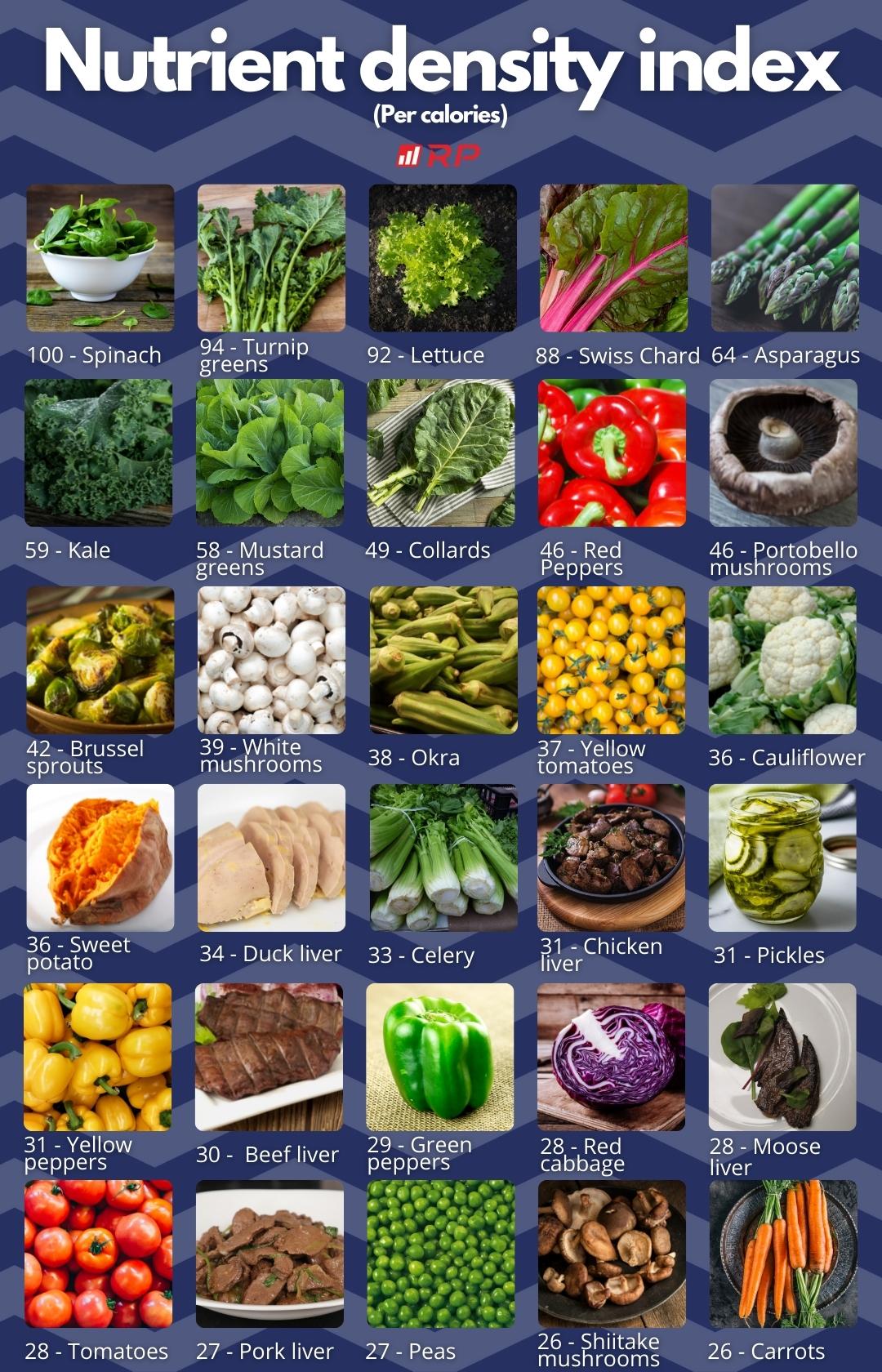
Nutrient density refers to the amount of essential nutrients—such as vitamins, minerals, and protein—contained in a food relative to its calorie content. Foods that are considered nutrient-dense provide a high level of nutrients per calorie, making them excellent choices for those looking to improve their health through diet. Examples of such foods include:
- Leafy greens – Packed with vitamins A, C, and K
- Whole grains – Rich in fiber and B vitamins
- legumes – A great source of protein and iron
- Fruits – High in antioxidants and dietary fiber
- Nuts and seeds – Provide healthy fats and minerals
Understanding nutrient density is crucial for making informed dietary choices that support long-term health. By prioritizing nutrient-dense foods, individuals can reduce their risk of chronic diseases, maintain a healthy weight, and feel more energized throughout the day. Incorporating these foods into your meals can be simple; consider mixing:
- Whole grains with lean proteins
- Colorful vegetables in salads or stir-fries
- Fruits as snacks or toppings for yogurt
- Nuts in smoothies or oatmeal
Identifying Nutrient-Dense Foods Across Food Groups
When navigating the world of nutrition,it’s essential to recognize which foods pack the most health benefits. Start by emphasizing whole foods that are minimally processed.These foods are often rich in essential vitamins, minerals, and antioxidants. Some prime examples include:
- Leafy Greens: Spinach, kale, and Swiss chard
- Fruits: Berries, oranges, and apples
- Whole Grains: Quinoa, brown rice, and oats
In addition, consider lean proteins and healthy fats that promote overall well-being. Foods that are packed with these nutrients will not only nourish your body but also keep you feeling full longer. Look for options such as:
- Lean Meats: Chicken breast, turkey, and fish
- Legumes: Lentils, chickpeas, and black beans
- Nuts and Seeds: Almonds, chia seeds, and flaxseeds
Practical Tips for Incorporating Nutrient-Dense Foods into Your Diet
Incorporating nutrient-dense foods into your daily meals doesn’t have to be a challenge. Start by identifying a variety of colorful fruits and vegetables that you enjoy. Aim for a rainbow plate to ensure a wide range of vitamins and minerals. For example, consider adding:
- Spinach and kale for a boost of iron and calcium
- Sweet potatoes, rich in beta-carotene
- Blueberries, packed with antioxidants
- Avocado, which provides healthy fats and fiber
Another effective strategy is to gradually substitute common ingredients with more nutrient-dense options.Small changes can make a big difference. For instance, try using greek yogurt instead of sour cream for dips or dressings, or incorporate quinoa or brown rice in place of white rice for added fiber and protein. To enhance flavor and nutrition, don’t forget to experiment with herbs and spices, such as turmeric for its anti-inflammatory properties or garlic for immune support. This way, healthy eating becomes a tasty and enjoyable part of your lifestyle.
Balancing Nutrient Density with Personal Preferences and lifestyle
When embarking on a journey towards smarter eating, it’s essential to recognize that dietary choices are deeply intertwined with personal preferences and lifestyle. While nutrient density shoudl be a focal point in food selection, embracing one’s tastes can enhance sustainability and enjoyment. Here are some ways to find that equilibrium:
- experiment with flavors: Incorporate herbs and spices to elevate the taste of nutrient-dense foods, making them more appealing.
- Choose whole foods you enjoy: Opt for fruits, vegetables, and grains that resonate with your palate, ensuring you look forward to your meals.
- adapt to lifestyle: Consider your daily schedule and social settings; meal prep or choosing convenient nutrient-rich snacks can prevent unhealthy last-minute choices.
Moreover, it’s significant to adopt a flexible mindset regarding your food practices. Balance doesn’t imply perfection; instead, it’s about incorporating nutrient-rich options within the context of your overall lifestyle. Consider these strategies:
- Mindful indulgence: Allow yourself occasional treats while maintaining a core diet of nutrient-dense foods, guilt-free.
- Flexible meal structure: Adapt your meals to suit busy days or celebratory events by mixing nutrient-dense components with familiar favorites.
- Social connections: Engage with friends and family in food readiness or dining, creating a supportive environment that encourages better choices without sacrificing enjoyment.
The Conclusion
embracing smart eating through the selection of nutrient-dense foods can truly transform your approach to health and wellness. By prioritizing foods that are packed with vitamins, minerals, and other essential nutrients, you not only nourish your body but also pave the way for long-term vitality. Remember, it’s not just about what you eat, but also about making informed choices that suit your lifestyle and individual needs. As you venture into your journey of mindful eating, consider experimenting with new foods and recipes, and listen to what your body craves. With a little knowledge and planning, you’ll be equipped to make choices that support your health goals.Thank you for joining us on this exploration of smart eating—here’s to making every bite count!
Featured Products
-
Nutramax Dasuquin for Large Dogs, Joint Health Sup…
Featured Products $59.99 -
Oral Complete 11-in-1 Dental Probiotics, Bad Breat…
Featured Products $45.95 -
Sale!
WELLNESS LABSRX Liposomal NAD Supplement, 1500mg -…
Featured Products Original price was: $29.99.$27.99Current price is: $27.99.


