


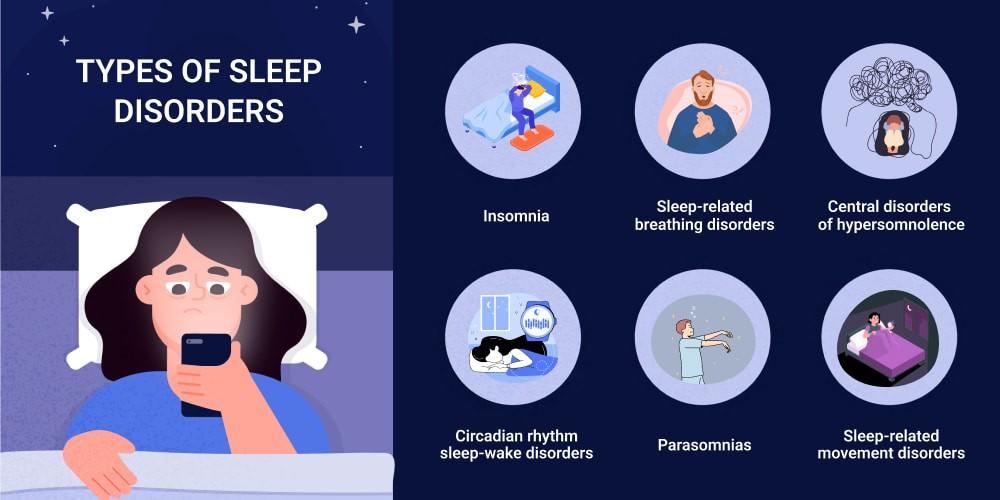
As the years go by, our bodies and routines change, and so dose our sleep! For many of us, the peaceful slumber we enjoyed in our youth might seem elusive. Whether it’s those late-night wake-ups or the early morning sun shining a bit too brightly, aging can introduce its own set of sleep challenges. But don’t fret! In this friendly guide, we’ll explore the shifts in our sleep patterns as we age and share practical tips to help you adapt. From establishing calming bedtime rituals to optimizing your sleep habitat, we’re here to ensure that your dreams remain sweet—no matter your age. So, grab a cozy blanket, and let’s dive into the world of restful nights and rejuvenated mornings!
Table of Contents
- Understanding the Changes in Sleep Patterns as We Age
- Creating a Comfortable Sleep Environment for All Ages
- Mindful Evening Routines for Better Sleep Quality
- nurturing Dreamy Sleep with Nutrition and Lifestyle Choices
- Future Outlook
Understanding the Changes in Sleep Patterns as We Age
As we journey through life, our sleep patterns undergo meaningful transformations. Newborns, for exmaple, may sleep as much as 16 to 18 hours a day, marked by a haphazard schedule. However, as we move into adulthood, sleep becomes more structured, with most adults requiring about 7 to 9 hours each night. By the time we reach our senior years, we may notice changes that can be both perplexing and frustrating, such as decreased total sleep time and an increase in nighttime awakenings. These alterations can be attributed to various factors, including hormonal changes, health conditions, and lifestyle alterations that accompany aging.
Understanding these changes can empower us to adapt our sleep habits for better rest. Here are some strategies to consider:
- Create a Consistent Sleep Schedule: Going to bed and waking up at the same time every day can help regulate your body’s internal clock.
- Limit Daytime Naps: If you must nap, try to keep it short—around 20 to 30 minutes—to avoid disrupting your nighttime sleep.
- Embrace Relaxation Techniques: Gentle yoga or meditation before bed can calm the mind and ease the transition to sleep.
- Be Mindful of Your sleep Environment: A cool,dark,and quiet room promotes optimal sleep conditions.
Creating a Comfortable Sleep Environment for All Ages
Creating a sleep haven is essential for ensuring a restful night’s slumber, regardless of age. To start, control the lighting and temperature in your bedroom. Aim for a cool,dark environment to promote relaxation. Using blackout curtains can effectively block outside light, while a fan or air conditioner can help you achieve that ideal coolness. Consider adding soft, warm lighting to create a calming atmosphere during the evening hours. This soothing ambiance signals your body that it’s time to unwind.
Another vital aspect of a good sleep environment is the bedding you choose.Invest in a comfortable mattress, as the right support can greatly affect sleep quality.For children and older adults, consider using adjustable beds to find a preferred position that helps ease discomfort. Additionally, keep bedding and pajamas made of breathable materials, like cotton or bamboo, to help regulate body temperature. Incorporating items that can aid in relaxation, such as a good book or gentle music, can further enhance the experience. Making your sleeping space a personal sanctuary promotes deeper, more restorative sleep for everyone.
Mindful Evening Routines for Better Sleep Quality
Creating a calming evening routine can substantially enhance your sleep quality, especially as you navigate the changes that come with age. Establishing a consistent bedtime is paramount. Aim to go to bed and wake up at the same time every day, which helps regulate your body’s internal clock. Consider incorporating relaxing activities such as:
- Gentle yoga or stretching: A few minutes of movement can ease tension and promote relaxation.
- Reading a physical book: ditch the screens and immerse yourself in a story to unwind your mind.
- Aromatherapy: Essential oils like lavender can create a serene atmosphere,signaling to your brain that it’s time to wind down.
engaging in mindful practices can also enhance your transition to sleep. Meditation or deep-breathing exercises help slow down your mind, making it easier to drift off. Try setting aside 10-15 minutes for these activities. You might also wont to reflect on your day—perhaps journaling about moments of gratitude or noting your accomplishments can create a sense of closure. Lastly, keeping your sleep environment comfortable—dark, quiet, and cool—will further foster restful sleep, allowing you to embrace the restorative power of a good night’s rest.
Nurturing Dreamy Sleep with Nutrition and Lifestyle Choices
As we transition through life,our sleep patterns can change significantly. One of the most effective ways to enhance the quality of our sleep is through mindful nutrition. Integrating foods that promote relaxation and aid in melatonin production can work wonders. Consider incorporating:
- Cherries – A natural source of melatonin that can definitely help regulate your sleep cycle.
- Leafy Greens - Spinach and kale are rich in magnesium, which can relax your muscles and mind.
- Whole Grains – Foods like oats and brown rice can encourage the release of insulin, aiding in sleepiness.
Along with nutrition, establishing a consistent daily routine can profoundly impact sleep quality. Emphasizing a calming evening ritual can signal your body that it’s time to wind down.Here are some lifestyle adjustments to consider:
- Establish a Sleep Schedule - Going to bed and waking up simultaneously occurring every day can definitely help regulate your body’s internal clock.
- Create a Relaxing Environment – Dim lights, comfortable bedding, and cool room temperature can foster better sleep conditions.
- Limit Screen Time – Reducing blue light exposure from devices at least an hour before bed can greatly enhance sleep quality.
Future Outlook
As we journey through life, our sleep patterns naturally evolve, reflecting the changes in our bodies and minds. Embracing these shifts can lead to more restful nights and brighter days. Remember, it’s never too late to prioritize your sleep health. From establishing a calming bedtime routine to creating a sleep-friendly environment, small adjustments can make a big difference in how well you rest.
so, whether you’re a night owl or an early bird, take the time to listen to your body and adapt your sleep habits accordingly. Sweet dreams await if you give yourself the care and attention you deserve!
Thanks for stopping by! We’d love to hear your thoughts—what strategies have you found helpful in adapting your sleep as you age? Share your tips in the comments below, and let’s continue the conversation about getting those rejuvenating Zzzs! 🌙✨