


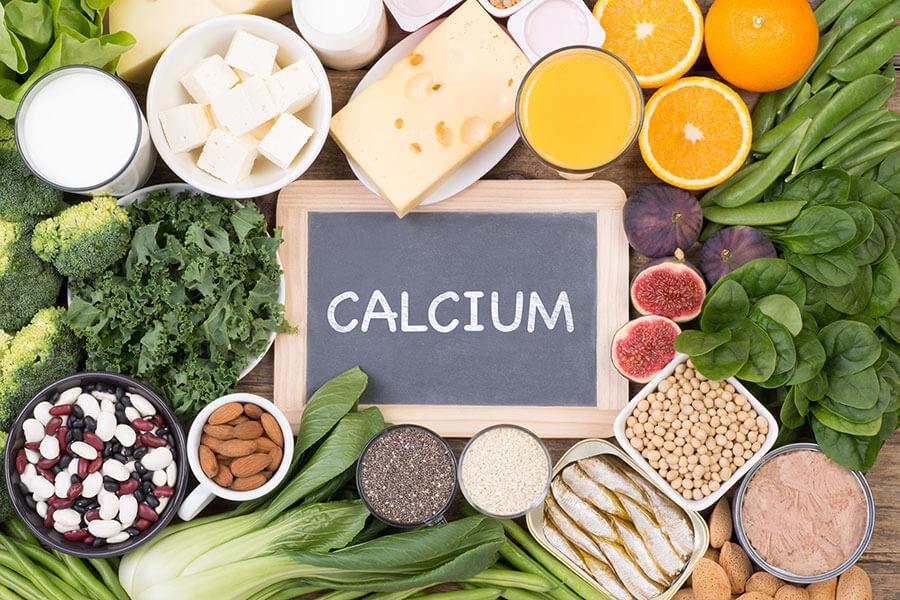
When it comes to maintaining strong and healthy bones, calcium often takes centre stage. This essential mineral plays a crucial role not only in developing and preserving bone density but also in supporting various bodily functions. Despite its importance, many people remain unaware of how calcium influences bone health, the risks of deficiency, and the best dietary sources to incorporate. In this article, we’ll explore the pivotal role calcium plays in our skeletal system, discuss the implications of inadequate intake, and provide practical tips for ensuring you’re getting enough of this vital nutrient to support your overall wellness. Whether you’re a health enthusiast or just looking to improve your knowledge, let’s delve into the fascinating world of calcium and its impact on bone health.
Table of Contents
- Understanding Calcium’s Function in Bone structure
- The Importance of Daily Calcium Intake for Optimal Health
- Sources of Calcium and How to Incorporate Them into Your Diet
- common Myths and Misunderstandings About Calcium and Bone Health
- concluding Remarks
Understanding Calcium’s Function in Bone Structure
Calcium is not just a vital nutrient; it is indeed the foundation upon which our bones are built. This mineral plays a critical role in the advancement, growth, and maintenance of bone structure. When we think about bone density, calcium stands out as the primary building block, helping to form a robust matrix that withstands stress and strain. Its presence is crucial throughout various life stages, from childhood when bones are developing rapidly to older adults who face the risk of fractures. Consistent calcium intake supports:
- Bone formation: Calcium combines with proteins and other minerals to form bone tissue.
- Bone remodeling: It aids in the continual replacement of old bone with new,ensuring strength and resilience.
- Prevention of osteoporosis: Adequate calcium levels help maintain bone density and can reduce the risk of osteoporosis in later years.
Along with its structural contributions, calcium plays a vital role in signaling pathways that regulate various biological processes, including muscle contractions, nerve transmission, and hormonal release. These processes are closely tied to bone health, as they ensure that our muscles and nervous system function in harmony with our skeletal framework. The intricate relationship between calcium and other nutrients, such as vitamin D and magnesium, underscores the importance of a balanced diet for optimal bone health. Key aspects include:
- Calcium absorption: Vitamin D enhances the body’s ability to absorb calcium from the gastrointestinal tract.
- Bone strength: Magnesium contributes to bone density and plays a role in converting vitamin D into its active form.
- Dietary sources: Incorporating dairy products,leafy greens,and fortified foods ensures adequate calcium intake.
The Importance of Daily calcium Intake for Optimal Health
Calcium is an essential mineral that plays a pivotal role in maintaining bone density and strength. Without sufficient daily intake, our bodies may struggle to sustain healthy bone structure, leading to conditions like osteoporosis, especially as we age. The importance of calcium extends beyond just bone health; it is also critical for nerve transmission, muscle function, and blood clotting. To ensure you are meeting your daily requirements, consider incorporating a variety of calcium-rich foods such as:
- Dairy products: Milk, cheese, and yogurt are some of the best sources.
- Green leafy vegetables: Kale, broccoli, and bok choy are excellent alternatives for those avoiding dairy.
- Nuts and seeds: Almonds and sesame seeds can be great snacks while contributing to your calcium intake.
- Fortified foods: Many plant-based milk options and cereals are fortified with calcium.
Beyond dietary sources, it’s essential to recognize how the body’s ability to absorb calcium can be affected by various factors. For instance, Vitamin D is crucial for maximizing calcium absorption, so adequate sun exposure or supplementation may be necessary. Additionally, high sodium or caffeine intake can lead to calcium loss, stressing the need for a balanced diet.Regular exercise, especially weight-bearing activities, can also enhance bone strength, creating a synergistic effect with adequate calcium intake. Remember, maintaining optimal calcium levels is not just about preventing deficiencies; it’s a cornerstone of holistic health.
Sources of Calcium and How to Incorporate Them into Your Diet
Ensuring an adequate intake of calcium is crucial for maintaining strong bones and overall health. Some of the richest sources of calcium include:
- Dairy Products: Milk, cheese, and yogurt are excellent sources, making them easy additions to your daily meals.
- Leafy Greens: Vegetables such as kale, spinach, and collard greens not only provide calcium but are also packed with essential vitamins.
- fortified Foods: Many options, like plant-based milks, cereals, and juices, have added calcium, allowing individuals to easily boost their intake.
- Nuts and Seeds: Almonds and sesame seeds are nutritious choices that also contribute to your calcium needs.
- Fish: Sardines and canned salmon, with their bones included, offer both calcium and omega-3 fatty acids.
Incorporating these foods into your meals can be simple and enjoyable. Consider starting your day with a bowl of fortified cereal topped with fresh fruit and a sprinkle of almonds. For lunch, toss some spinach into a smoothie or add it to salads for a nutrient-rich boost. Dinner can be a delightful affair with grilled salmon served alongside steamed kale or broccoli. Snacking on yogurt with a drizzle of honey and some seeds can also satisfy your cravings while enhancing your calcium intake. With a creative approach to your meals, achieving your calcium goals can become a seamless part of your everyday routine.
common Myths and Misunderstandings About Calcium and Bone Health
Calcium is often hailed as the ultimate hero for bone health, leading to various misconceptions that can misguide our understanding of its role. One common myth suggests that simply consuming more calcium will automatically strengthen bones. In reality, while calcium is crucial, it functions best in conjunction with other nutrients such as vitamin D, magnesium, and phosphorus. An imbalanced intake can lead to suboptimal bone health, as these nutrients work synergistically to promote proper bone density and remodeling.
Another misconception is that only dairy products serve as adequate sources of calcium. While dairy is indeed rich in this mineral, numerous non-dairy options are equally beneficial. Foods such as leafy greens, nuts, seeds, and fortified plant-based milks can also contribute significantly to calcium intake. Additionally, factors such as age, activity level, and genetics play a vital role in bone health, emphasizing that a holistic approach, rather than a calcium-centric view, is essential for long-term wellness.
Concluding Remarks
understanding calcium’s pivotal role in bone health is essential for fostering overall wellness. As we’ve explored, calcium is not only crucial for maintaining bone density but also supports various bodily functions that contribute to vitality and longevity. It’s vital to prioritize calcium-rich foods in our diets, whether through dairy products, leafy greens, or fortified alternatives, and to recognize the importance of vitamin D in enhancing calcium absorption.
Being proactive about our bone health can pay dividends as we age, helping to prevent issues like osteoporosis and fractures. So, let this be a reminder to assess your dietary habits and consider how you can boost your calcium intake. Whether you’re a young adult, a busy parent, or enjoying your golden years, taking small steps today can lead to healthier bones and a more active lifestyle tomorrow. Remember, your bones support you at every stage of life—let’s ensure they remain strong and resilient!