



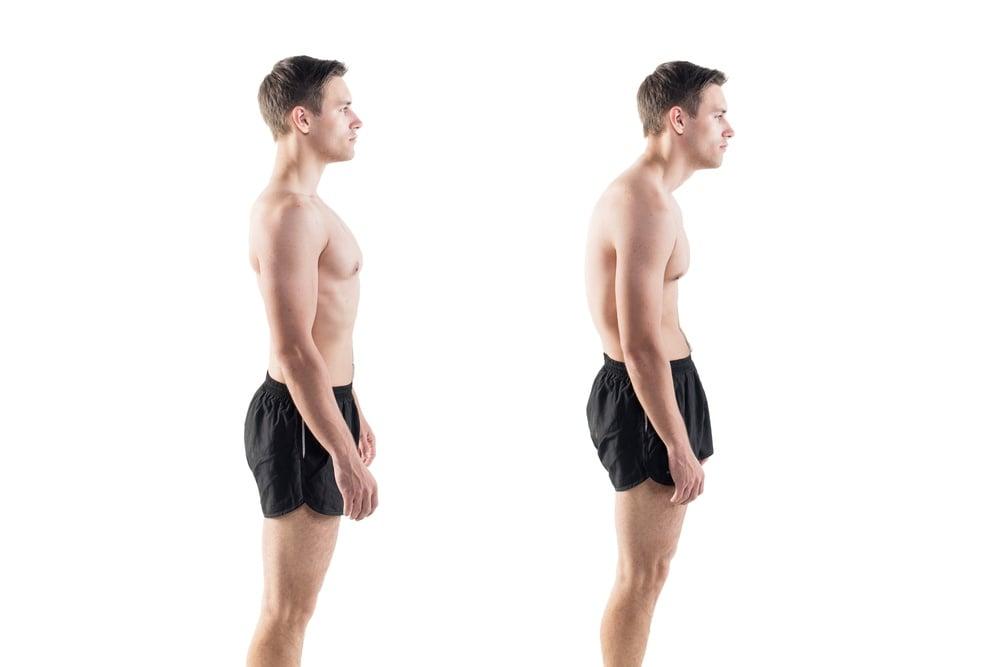
In our fast-paced world, it’s easy to overlook the subtle yet powerful ways our body affects our mind. Many of us may not realize that our posture does more than just affect our physical appearance; it plays a crucial role in our emotional well-being. Research increasingly shows that the way we carry ourselves can influence our mood, confidence, and even our stress levels. In this article, we’ll delve into the fascinating connection between posture and emotional health, exploring how simple adjustments to our body language can lead to profound shifts in our mental state. Whether you’re looking to boost your confidence, reduce anxiety, or simply feel more grounded in your everyday life, understanding this connection can be a game-changer. Join us as we unpack the science behind posture and its impact on our emotional landscape, and discover practical tips for cultivating a healthier relationship between body and mind.
Table of Contents
- Exploring the Science Behind Posture and Emotional State
- The Impact of Poor Posture on Mental Health: A Closer Look
- Practical Tips for Improving Posture to Boost Emotional Well-Being
- Mindfulness and Movement: Integrating Posture into Daily Practices
- Closing Remarks
Exploring the Science Behind Posture and Emotional State
While we often think of posture as simply a matter of physical alignment, its implications go far beyond the surface. Research indicates that our body language and stance can substantially influence not just how others perceive us, but how we feel about ourselves. Consider the following points:
- High Power Poses: Adopting open and expansive postures can boost confidence levels,leading to a more positive emotional state.
- Closed Postures: Conversely, slumping or crossing your arms may communicate insecurity and can reinforce feelings of anxiety or stress.
- Feedback Loop: The connection is bidirectional; your emotional state can influence your posture. Feeling down may naturally lead to adopting a defeated physical stance.
The physiological mechanisms at play are equally fascinating. The brain constantly monitors feedback from the body, and certain postures can trigger hormonal changes that impact our emotional state. Research shows that:
- Endorphin Release: Standing tall can stimulate the release of endorphins, enhancing feelings of well-being and reducing stress levels.
- Adrenaline Regulation: A confident stance can definitely help regulate adrenaline, lowering anxiety and promoting a sense of calm.
- Improved Breathing: Good posture facilitates better oxygen flow, which is crucial for maintaining focus and emotional stability.
The Impact of Poor Posture on Mental Health: A Closer Look
Our body and mind are intricately connected,and the way we hold ourselves can significantly affect our emotional state. Research has shown that poor posture can lead to feelings of lethargy, stress, and even depression. By slouching or adopting a closed-off stance, we send signals to our brain that may contribute to negativity and low self-esteem. This physical alignment impacts not just our physical health, but also our mental clarity and motivation. When we engage in activities with an upright posture, we tend to feel more energetic and open to experiences.
In addition to feelings of fatigue and low mood, poor posture is linked to a range of emotional responses.Individuals who frequently exhibit a hunched or closed-off posture might also experience:
- Increased Anxiety: An improper stance often correlates with feelings of unease and tension.
- Lower Confidence: Adopting a weak posture can reduce self-assurance and assertiveness in social situations.
- Impaired Interaction: Body language plays a crucial role in how we interact, and a closed posture can hinder effective communication.
By fostering a more positive physical presence through improved posture, we can possibly enhance our overall emotional well-being and cultivate healthier relationships with ourselves and others.
Practical Tips for Improving Posture to Boost Emotional Well-Being
Improving your posture can be a game changer for both your physical and emotional health. Start by becoming more aware of your body alignment throughout the day. Simple adjustments can make a big difference; as an example, when sitting, ensure your feet are flat on the floor and your back is straight. Utilize ergonomic furniture or cushions to maintain good posture, especially during long hours at a desk. incorporate short breaks into your routine to stand up, stretch, and realign your body, which can significantly contribute to better emotional regulation.
Engaging in exercises that promote core strength and adaptability is crucial for maintaining good posture. Consider integrating the following activities into your weekly routine to support your emotional well-being:
- Yoga: Enhances body awareness and alleviates stress.
- Pilates: Strengthens core muscles which supports spine alignment.
- Tai Chi: Encourages fluid movement and mindfulness.
- Strength Training: Builds muscle to enhance stability and posture.
Learning to breathe deeply and mindfully can also enhance your posture naturally, which in turn can lead to improved mood and overall emotional stability. Aim to practise these techniques regularly for maximum benefit.
Mindfulness and Movement: Integrating posture into Daily Practices
Integrating mindfulness into our daily movements can significantly enhance our overall posture and, by extension, our emotional well-being. By consciously aligning our bodies while engaging in everyday activities, we create a more stable foundation for our mental health. Here are several practices to consider:
- Breath Awareness: Focus on your breath as you straighten your back during tasks like sitting at a desk or walking. This conscious attention can reduce stress and increase awareness of your body.
- Mindful Walking: Pay attention to how your feet connect with the ground. Feel the balance and support from the earth, which can help ground your emotions.
- Gentle Stretching: Incorporate short stretching breaks throughout your day. Simple stretches can ease tension and improve your body’s alignment, fostering a clearer mindset.
When we prioritize our posture through mindful movements,we can also enhance our emotional regulation.A tall, open posture is frequently enough linked to increased confidence and positivity. by embodying this alignment in our daily lives, we can:
- Boost Mood: Engaging in postural awareness can trigger neurochemical changes that uplift our spirits.
- Reduce Anxiety: By maintaining an open, relaxed posture, we can lower physical tension, which often translates to a calmer mind.
- Enhance Focus: Good posture improves blood circulation and oxygen flow, facilitating clearer cognitive function.
Closing Remarks
Conclusion: Embracing Holistic Well-Being through Posture
As we’ve explored the intricate relationship between posture and emotional well-being, it’s clear that our body and mind are more interconnected than we often realize. The way we carry ourselves not only affects our physical health, but it also has profound implications for our mood, confidence, and overall mental state. By consciously adopting a more open and upright posture, we can foster a positive emotional surroundings that promotes resilience and joy.
Remember,making small adjustments in your daily habits can lead to significant improvements in how you feel. whether it’s incorporating posture-awareness exercises into your routine, engaging in mindfulness practices, or simply taking a moment to straighten your shoulders, each step counts.
As you journey toward greater emotional well-being, consider the powerful role that posture plays. It’s not just about standing tall; it’s about embracing a mindset that reflects strength and positivity. Let’s commit to nurturing our bodies alongside our minds, paving the way for a healthier, happier life.
Thank you for joining us on this exploration. We hope you feel inspired to take action and make posture a priority in your journey to emotional wellness. Until next time, stand tall and stay well!