



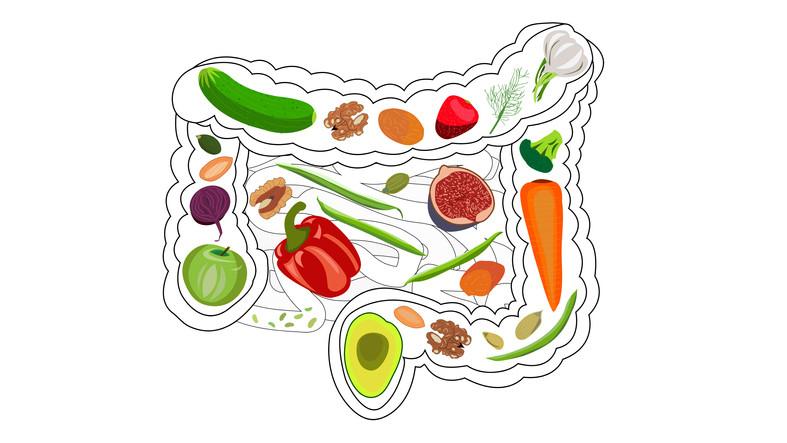
In recent years, the phrase “you are what you eat” has taken on new significance as researchers delve deeper into the intricate relationship between our gut health and overall well-being. The gut, often referred to as our “second brain,” plays a crucial role not only in digestion but also in influencing everything from our immune function to mental health. As we become more aware of the importance of nutrition in maintaining a healthy gut, understanding this connection can empower us to make informed dietary choices. In this article, we’ll explore how the gut-nutrition connection works and provide practical tips for optimizing your diet to support a healthier gut and, ultimately, a healthier you.
Table of Contents
- Understanding the Role of Gut Microbiota in Nutrient Absorption
- The Impact of Diet on Gut Health and Overall Wellbeing
- Strategies to Enhance gut Health Through Nutrition
- Addressing Common Digestive Issues with Dietary Changes
- to wrap It Up
Understanding the Role of Gut Microbiota in Nutrient Absorption
The intricate ecosystem of microbes residing in our gastrointestinal tract,known as gut microbiota,plays a pivotal role in the process of nutrient absorption. These microorganisms, which include bacteria, fungi, and viruses, not only aid in the digestion of complex carbohydrates but also enhance the bioavailability of essential vitamins and minerals. As an example, certain gut bacteria help break down dietary fibers, leading to the fermentation processes that produce short-chain fatty acids, which are crucial for gut health and energy production. This symbiotic relationship underscores the importance of a balanced diet, rich in variety, which provides the necessary substrates for these microbes to thrive.
Moreover, the composition of gut microbiota can substantially influence the absorption efficiency of various nutrients. Factors such as diet, lifestyle, and even stress levels can alter the diversity and abundance of gut bacteria. key benefits of a healthy gut microbiome include:
- enhanced vitamin synthesis: Certain bacteria are responsible for synthesizing vitamins like B12 and K.
- Improved mineral absorption: A well-balanced microbiome increases the absorption of minerals such as calcium, magnesium, and iron.
- Stronger immune response: A healthy gut microbiota can definitely help modulate immune function, promoting overall health.
Understanding the balance of gut microbiota and its impact on nutrient absorption is essential for optimizing dietary choices and, ultimately, for achieving better health outcomes.
The Impact of Diet on Gut Health and Overall Wellbeing
Diet plays a crucial role in maintaining a healthy gut microbiome, which is integral to overall health.The foods we consume not only provide essential nutrients but also influence the diversity and abundance of gut bacteria. A balanced diet filled with a variety of whole foods can promote the growth of beneficial microbes, leading to a more resilient gut. Consider incorporating the following into your meals:
- Fiber-rich foods: Whole grains,legumes,fruits,and vegetables are vital for feeding good bacteria.
- Fermented foods: Yogurt, kefir, sauerkraut, and kombucha introduce probiotics that can enhance gut health.
- Healthy fats: Olive oil and omega-3 fatty acids from fish can definitely help reduce inflammation in the gut.
Your gut health has far-reaching effects beyond digestion; it can impact mood, immunity, and even skin health. An imbalance in gut bacteria may contribute to issues such as anxiety, depression, and autoimmune disorders. It’s essential to minimize processed foods, excessive sugars, and unhealthy fats that can harm the microbiome. To foster a thriving gut environment, consider reducing:
- Refined sugars: High sugar intake can feed harmful bacteria and yeast.
- Processed foods: Chemicals and preservatives in processed foods can disrupt gut flora.
- Excessive alcohol: Excessive consumption can lead to leaky gut syndrome and inflammation.
Strategies to Enhance Gut Health Through Nutrition
To truly nurture your digestive system, focusing on a variety of whole foods can be transformative. Incorporate an array of fiber-rich foods into your diet, as they act as fuel for beneficial gut bacteria. Consider adding:
- Fruits such as apples, berries, and bananas
- Vegetables like broccoli, carrots, and leafy greens
- Whole grains, including oats, quinoa, and brown rice
- Legumes such as lentils, chickpeas, and black beans
along with fiber, the inclusion of fermented foods can significantly enhance your gut microbiome. These foods introduce live beneficial bacteria into your system. Explore options like:
- Yogurt with live cultures
- Kefir, which is a nutrient-dense fermented drink
- Kimchi and sauerkraut for a spicy twist
- Miso and tempeh as plant-based protein sources
Addressing Common Digestive Issues with Dietary Changes
manny people experiance digestive discomfort, and altering dietary habits can often lead to notable improvements. Incorporating fiber-rich foods is one of the most effective strategies.Foods such as whole grains, fruits, and vegetables not only aid in regular digestion but also promote a healthy microbiome.Consider adding the following to your meals:
- Oats and quinoa for breakfast
- Leafy greens like spinach and kale in salads
- fruits such as apples and berries for snacks
Another common issue, bloating, can often be alleviated by focusing on fermented foods. These foods are packed with probiotics that support gut health and improve digestion. Some tasty options include:
- Yogurt with live cultures
- Kefir, a tangy fermented drink
- Fermented vegetables like sauerkraut and kimchi
Additionally, staying adequately hydrated and reducing processed food intake can make a notable difference in overall digestive wellness. Even small changes can lead to a major impact on how your gut feels and functions.
To wrap It Up
As we wrap up our exploration of the gut-nutrition connection, it’s clear that nurturing our digestive health is more significant then ever. Understanding the intricate relationship between what we eat and how our gut functions can empower us to make better dietary choices for overall well-being. From incorporating fiber-rich foods and probiotics to staying hydrated,small adjustments can lead to significant improvements in our health.remember, every individual’s gut is unique, and what works for one person may not work for another. It’s important to listen to your body and consult with healthcare professionals when making major dietary changes. By prioritizing gut health, we pave the way for enhanced nutrition, greater energy, and a more vibrant life.
Thank you for joining us on this journey to better health. Stay curious, keep learning, and make choices that nourish both your gut and your overall well-being!