


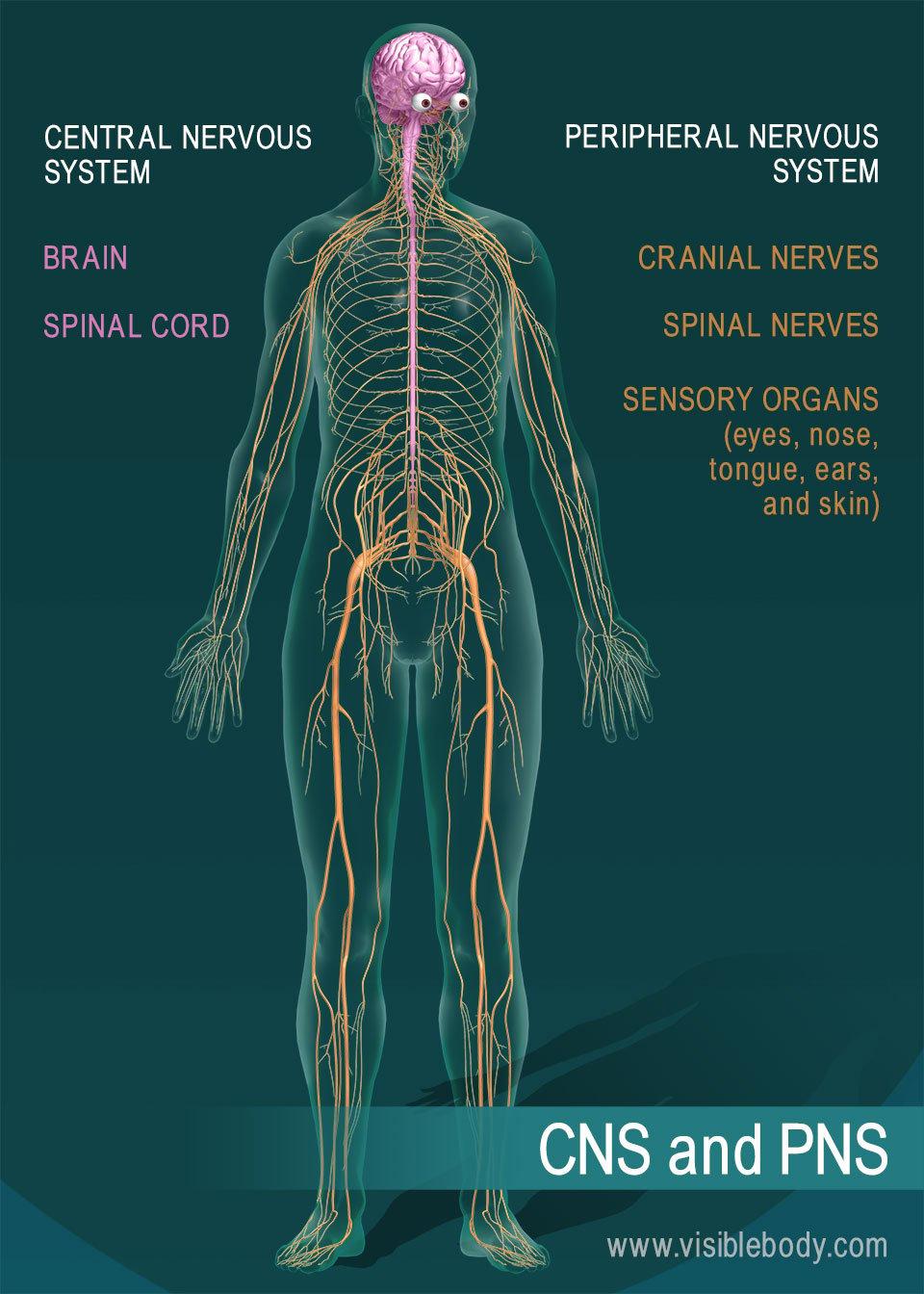
The intricate web of nerves, synapses, and neurotransmitters that make up our nervous system plays a pivotal role in every aspect of our well-being, particularly in relation to mental health. As scientists and mental health professionals continue to explore the connections between neurological function and psychological conditions,it becomes increasingly clear that our brain and body’s communication systems are deeply intertwined. From the way stress triggers biological responses to the ways in which neurochemicals influence our moods and emotions,the nervous system is a key player in understanding mental health disorders. In this article, we’ll delve into the complexities of the nervous system, uncovering how its various components affect our mental well-being and what that means for both diagnosis and treatment in the realm of mental health. Join us as we explore the engaging intersection of biology and psychology, and consider how a deeper understanding of our nervous system can lead to more effective strategies for enhancing mental health.
Table of Contents
- The Role of Neurotransmitters in Emotional Regulation
- How Stress Affects Nervous System Function and Mental Health
- The Gut-Brain Connection: Exploring Its Influence on Well-Being
- Practical Strategies for Supporting a Healthy Nervous System
- Wrapping Up
The Role of Neurotransmitters in Emotional Regulation
Neurotransmitters are the chemical messengers that facilitate communication between nerve cells, playing a crucial role in how we experience and regulate our emotions. Specific neurotransmitters such as serotonin, dopamine, and norepinephrine directly influence mood, arousal, and emotional responses. As an example,serotonin is often dubbed the “feel-good” neurotransmitter,as it contributes to feelings of happiness and wellbeing. Conversely, dopamine is associated with the brain’s reward system and is crucial for motivation and pleasure, making it essential for emotional resilience. An imbalance in these neurotransmitters can lead to emotional dysregulation, manifesting in conditions like depression, anxiety, and mood disorders.
Understanding the intricate relationship between neurotransmitters and emotional regulation opens pathways for therapeutic interventions that target these essential chemicals. Various approaches, including pharmacological treatments, aim to restore balance by affecting neurotransmitter levels. Common strategies include:
- Selective serotonin reuptake inhibitors (SSRIs) to increase serotonin availability
- Medication targeting dopamine receptors for conditions such as schizophrenia and depression
- Natural supplements, like omega-3 fatty acids, can support neurotransmitter function
This biological insight underscores the importance of a holistic understanding of mental health, where the interplay of neurochemistry can considerably affect emotional states and overall psychological wellbeing.
How Stress Affects Nervous System Function and Mental Health
Stress can profoundly alter the intricate workings of the nervous system, leading to a cascade of effects that significantly impact mental health.When the body perceives a threat, it activates the sympathetic nervous system, triggering the release of stress hormones like cortisol and adrenaline. This fight-or-flight response is crucial for survival,but prolonged activation can lead to a range of issues,including:
- Increased heart rate
- Heightened anxiety
- Impaired cognitive function
- Sleep disturbances
Over time,chronic stress can weaken the connections within the brain,particularly in areas responsible for mood regulation such as the amygdala and prefrontal cortex. This deterioration can manifest as various mental health disorders, notably depression and anxiety.Individuals may experience:
- Difficulty concentrating
- Increased irritability
- Social withdrawal
- Feelings of hopelessness
The Gut-Brain Connection: Exploring its Influence on Well-Being
The intricate relationship between our gut and brain has gained considerable attention in recent years,uncovering how our digestive health can significantly influence mental well-being. Research highlights that the gut microbiome—the community of microorganisms residing in our intestines—produces neurotransmitters and other compounds that affect our mood and cognitive functions. Key findings in this area include:
- Production of neurotransmitters: Up to 90% of serotonin, a crucial mood-regulating neurotransmitter, is synthesized in the gut.
- Stress response: The gut has its own nervous system, known as the enteric nervous system, which communicates directly with the brain, influencing how we react to stress and anxiety.
- Immune function: A healthy gut microbiome plays a vital role in immune regulation, possibly reducing inflammation linked to mental health disorders.
Optimizing gut health through diet and lifestyle can pave the way for improved mental wellness. An abundance of fibrous foods, probiotics, and prebiotics can nourish the microbiome, fostering a harmonious gut-brain axis. Additionally, practices such as mindfulness and stress management can promote digestion and overall gut health. Consider these beneficial habits for a balanced connection:
- Incorporate fermented foods: Yogurt, kefir, and sauerkraut can enhance gut flora.
- Maintain a balanced diet: Foods rich in Omega-3 fatty acids, like fish and walnuts, support both brain and gut health.
- Prioritize hydration: Adequate water intake is essential for proper digestive function and nutrient absorption.
Practical Strategies for Supporting a Healthy Nervous System
Maintaining a healthy nervous system is crucial in supporting overall mental well-being. Two essential strategies revolve around lifestyle choices and the incorporation of mindfulness practices. Regular physical activity, such as walking, yoga, or dance, helps to release endorphins which can alleviate stress and anxiety. Additionally, a balanced diet rich in omega-3 fatty acids, antioxidants, and vitamins can nourish the brain and promote optimal nerve function. Consider including:
- Fatty fish like salmon or sardines
- Nuts and seeds, particularly walnuts and flaxseeds
- Leafy greens such as spinach and kale
- Berries, known for their antioxidant properties
Mindfulness practices play a significant role in modulating the nervous system’s response to stress.Techniques such as meditation, deep breathing exercises, and progressive muscle relaxation have shown to decrease cortisol levels and foster a sense of calm. Taking just a few minutes each day to engage in these practices can enhance emotional resilience. To further support your nervous system, you might also explore:
- Aromatherapy, with essential oils like lavender and chamomile
- Nature walks, allowing for natural stimuli to aid relaxation
- Regular sleep patterns, aiming for 7-9 hours of quality sleep each night
- Social connections, nurturing relationships that provide emotional support
Wrapping Up
understanding the intricate relationship between the nervous system and mental health is essential for fostering a holistic approach to well-being. Our nervous system, frequently enough viewed simply as a communication network, plays a vital role in regulating emotions, behavior, and cognitive functions. As we peel back the layers of this complex system, it becomes clear that mental health cannot be looked at in isolation.
Embracing this knowledge empowers us to seek integrated treatment options, advocate for better mental health resources, and encourage open conversations around these crucial topics. By recognizing the signs of nervous system dysregulation, we can take proactive steps towards healing, whether through therapy, lifestyle changes, or community support.
As we move forward, let’s commit to furthering our understanding of the neurological underpinnings of mental health. The more we learn, the better equipped we become to nurture not only our own mental health but also the mental wellness of those around us. After all, a healthy nervous system lays the foundation for a resilient mind. Thank you for joining us on this journey—let’s continue to explore, advocate, and support mental health together.
Featured Products
-
Nutramax Dasuquin for Large Dogs, Joint Health Sup…
Featured Products $59.99 -
Oral Complete 11-in-1 Dental Probiotics, Bad Breat…
Featured Products $45.95 -
Sale!
WELLNESS LABSRX Liposomal NAD Supplement, 1500mg -…
Featured Products Original price was: $29.99.$27.99Current price is: $27.99.


