

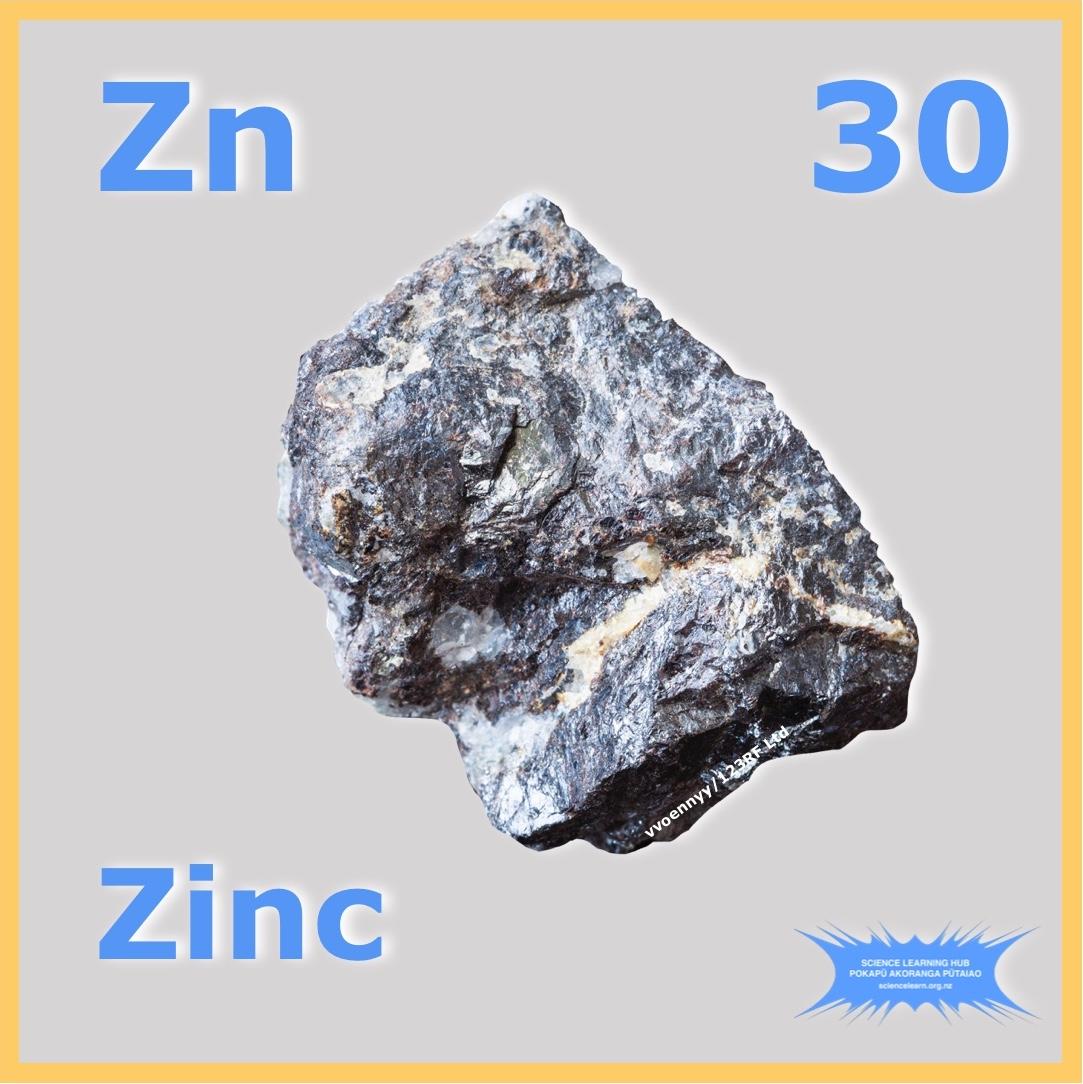
When it comes to maintaining a robust immune system,most people think of vitamins like C and D,often overlooking a crucial mineral: zinc. This micronutrient, while perhaps less talked about, plays a fundamental role in numerous bodily functions, particularly in supporting and regulating immune responses. From aiding in the advancement of immune cells to acting as an antioxidant, zinc’s contributions are vast and vital. In this article, we’ll explore the science behind zinc’s impact on immune health, discuss its dietary sources, and offer tips on how to ensure you’re getting enough of this essential mineral in your diet. Whether you’re looking to boost your immune system or simply want to understand more about the nutrients your body needs, understanding zinc’s role could be a game changer for your health.
Table of Contents
- The Science Behind Zinc and Immune Function
- Top Food Sources of Zinc for Immune support
- how Much Zinc Do You Really Need
- Supplementation: When and Why to Consider Zinc
- The Way Forward
The Science Behind Zinc and Immune Function
The role of zinc in immune function is multifaceted, making it an essential mineral for maintaining overall health. This trace element is crucial for the development and activation of various immune cells, including neutrophils, macrophages, and T lymphocytes. Zinc is not simply a bystander; it actively influences the immune response by:
- Enhancing the signaling pathways of immune cells
- Acting as a potent antioxidant, protecting cells from oxidative stress
- Modulating the inflammatory response to pathogens
Moreover, zinc deficiency has been linked to increased susceptibility to infections, highlighting its vital role in sustaining an effective immune system. insufficient zinc levels can impair the production of antibodies and reduce the body’s ability to fight off invading pathogens. Research has shown that supplementing zinc can:
- Shorten the duration of common cold symptoms
- Improve recovery times post-infection
- Support overall immune resilience, particularly in older adults
Top Food Sources of Zinc for Immune Support
Zinc plays a pivotal role in bolstering our immune system, acting as a key player in various cellular functions. To ensure adequate intake, incorporating zinc-rich foods into your diet is essential.Here are some of the top food sources that can help you meet your zinc needs and support your immune health:
- Oysters: Often hailed as the richest source of zinc, these shellfish provide a substantial amount of this vital mineral.
- Red Meat: Beef, lamb, and pork not only deliver high-quality protein but also robust levels of zinc.
- Poultry: Chicken and turkey are excellent sources that can easily be added to your meals.
- Beans: Legumes such as chickpeas, lentils, and kidney beans offer a great plant-based option for zinc.
- Nuts and Seeds: Pumpkin seeds and cashews are not only tasty but also packed with zinc and other nutrients.
Incorporating these foods into your diet can optimize your zinc intake. Whether you enjoy a hearty bowl of chili made with beans or a tasty grilled chicken salad, there are numerous ways to enhance your meals while promoting stronger immune function. Don’t overlook the importance of whole grains and dairy products, which also contribute beneficial amounts of zinc, making it easier than ever to support your body’s defenses through your dietary choices.
How Much Zinc Do You Really Need
When it comes to zinc, understanding the appropriate dosage is crucial for optimal immune support. The recommended daily allowance (RDA) varies depending on age, sex, and life stage. For adults, the RDA is typically:
- men: 11 mg
- Women: 8 mg
- Pregnant Women: 11 mg
- Lactating Women: 12 mg
Though, individual needs may fluctuate based on factors such as dietary intake, health status, and specific lifestyle conditions. It’s essential to be aware that excessive supplementation can lead to adverse effects, such as immune dysfunction and gastrointestinal disturbances. Ideally, aim to obtain zinc from a balanced diet that includes:
- Meat and poultry
- Seafood, particularly oysters
- Nuts and seeds
- Beans and legumes
- Dairy products
Supplementation: When and Why to Consider Zinc
Zinc is a trace mineral that plays a pivotal role in numerous bodily functions, particularly in maintaining a robust immune system.While a balanced diet typically meets our zinc needs, certain circumstances may necessitate supplementation. consider taking zinc if you experience:
- Frequent Infections: If you find yourself battling recurrent colds or other infections, enhancing your zinc intake might bolster your immune response.
- Dietary Limitations: Vegetarians, vegans, or those with restricted diets may have lower zinc levels, making supplementation beneficial.
- Age Factors: Older adults often face diminished absorption of nutrients, including zinc, and may require additional intake.
Choosing the right time for supplementation is equally important. Optimal absorption occurs when zinc is taken away from meals rich in certain compounds,such as calcium and iron,which can inhibit its uptake. Moreover, it’s advisable to consult a healthcare professional before starting any supplement regimen, particularly if you are on medication or have underlying health conditions. Balancing zinc levels is essential, as excessive intake can lead to adverse effects, emphasizing the importance of a personalized approach.
The way Forward
zinc’s essential role in immune health cannot be overstated. As a vital nutrient,it supports numerous biological functions that keep our immune systems robust and resilient. From aiding in the development of immune cells to acting as an antioxidant, the benefits of zinc are extensive and well-documented.
While most individuals can achieve adequate zinc intake through a balanced diet rich in whole foods, occasional supplementation may be beneficial, especially during times of increased stress or illness. However, it’s crucial to consult with a healthcare professional before making any changes to your dietary regimen.
By prioritizing zinc-rich foods and being mindful of your nutritional intake, you can support your immune system’s efforts to protect you. Remember, a healthy immune system is a key player in overall well-being. Stay informed, stay healthy, and give your body the nutrients it deserves!