


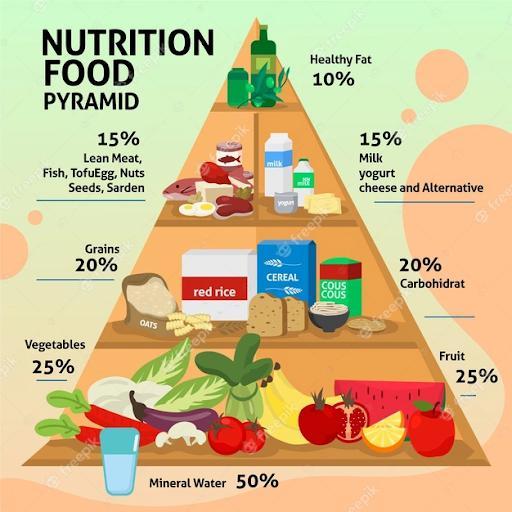
In a world overflowing with diet trends, superfoods, and quick fixes, understanding the fundamental role of balanced nutrition can often get overshadowed. Yet, the essence of good health lies in the food we choose to fuel our bodies. Balanced nutrition not only supports physical well-being but also enhances mental clarity and emotional stability. Whether you’re looking to boost your energy levels,improve your mood,or maintain a healthy weight,the importance of a well-rounded diet cannot be overstated. In this article, we’ll explore the critical components of balanced nutrition, it’s impact on overall health, and practical tips to help you achieve a harmonious dietary approach. Join us on this journey toward a healthier, more fulfilling life!
Table of Contents
- Understanding the Foundations of balanced Nutrition
- The Role of Macronutrients in Supporting Health
- Micronutrients: the Unsung Heroes of Your Diet
- Practical Tips for Achieving Nutritional Balance in Daily Life
- The Way Forward
Understanding the Foundations of Balanced Nutrition
To achieve a state of well-being, it is indeed essential to nurture your body with the right balance of nutrients. Balanced nutrition encompasses a variety of food groups that provide the vitamins, minerals, and energy your body requires. Key components include:
- Proteins: Essential for growth,tissue repair,and immune function.
- Carbohydrates: The body’s main source of energy, especially important for brain function.
- Fats: Necessary for hormone production and the absorption of fat-soluble vitamins.
- Vitamins and Minerals: Crucial for numerous metabolic processes and overall health.
Understanding the interplay among these elements allows individuals to tailor their diets for optimal health outcomes. A well-rounded diet not only supports physical health but also influences mental well-being, enhancing mood and cognitive function. Incorporating a diverse range of foods helps ensure that your body is equipped to function effectively,reducing the likelihood of nutritional deficiencies that can lead to chronic health issues. To foster well-being,strive for a plate filled with variety,promoting an enjoyable and fulfilling relationship with food.
The Role of Macronutrients in Supporting Health
Macronutrients are the foundation of our diets, providing the energy and essential building blocks necessary for optimal bodily functions. They are categorized into three primary types: carbohydrates, proteins, and fats. Each plays a unique role in maintaining health and supporting various physiological processes.As a notable example,carbohydrates are the body’s main energy source,fueling everything from daily activities to high-intensity workouts. Proteins contribute to muscle repair, immune function, and enzyme production, while healthy fats support cellular integrity, hormone regulation, and the absorption of fat-soluble vitamins.
To achieve a truly balanced diet, it’s crucial to understand how to proportion these macronutrients effectively. Here are some key points to consider:
- Prioritize Quality: Choose whole grains and legumes for carbs, lean meats, and plant-based proteins for muscle support, and avocados, nuts, and olive oil for healthy fats.
- personalize Your Needs: Factors such as age, activity level, and health goals can influence the right balance of macronutrients for your individual requirements.
- Monitor Portion Sizes: Paying attention to serving sizes ensures you meet nutritional goals without excess.
By achieving a balanced intake of macronutrients, you equip your body with the necessary tools to thrive, promoting energy levels, mental clarity, and overall wellness.
Micronutrients: The Unsung Heroes of Your Diet
Micronutrients, frequently enough overshadowed by macronutrients, play a crucial role in maintaining your health. These vitamins and minerals, though needed in small quantities, are essential for various bodily functions, including immune response, bone health, and energy production. They act as catalysts in biochemical reactions, helping your body to absorb and utilize macronutrients effectively. Incorporating a diverse range of foods into your diet can help ensure you meet your micronutrient needs:
- Fruits and Vegetables: Rich in vitamins A, C, and K, and also a variety of antioxidants.
- Whole Grains: Excellent sources of B vitamins like folate and thiamine.
- Nuts and Seeds: Packed with essential minerals like magnesium and zinc.
- Dairy or Fortified Alternatives: Crucial for calcium and vitamin D intake.
Deficiencies in these micronutrients can lead to significant health issues, including fatigue, weakened immunity, and even chronic diseases. A well-balanced diet, emphasizing a colorful variety of foods, can help you avoid these pitfalls and support overall wellness. Regularly including foods such as leafy greens, legumes, and lean proteins will not only provide essential nutrients but also contribute to a more satisfying and balanced diet. Remember, every bite counts in building a healthier you!
Practical Tips for Achieving Nutritional Balance in Daily Life
To cultivate a diet that supports your overall health, consider prioritizing a wide variety of whole foods. Incorporate an array of colorful fruits and vegetables into your meals to ensure you’re getting essential vitamins, minerals, and antioxidants. Opt for whole grains, such as brown rice, quinoa, and whole-wheat bread, which provide more fiber and nutrients compared to their refined counterparts. Don’t forget to include healthy sources of protein like lean meats, fish, legumes, and nuts, which help maintain muscle mass and keep you feeling full longer.
Portion control plays a crucial role in achieving nutritional balance. Familiarize yourself with recommended Serving Sizes and listen to your body’s hunger cues. When dining out, share meals or select smaller plates to help with portion management. Additionally, make meal planning a part of your routine; creating a weekly menu can prevent impulsive eating and encourage the inclusion of balanced meals. Lastly, stay hydrated by drinking plenty of water throughout the day, as hydration is vital for maintaining energy levels and supporting metabolic processes.
The Way Forward
balanced nutrition is not just a trend; it’s a fundamental pillar of good health that supports your body in countless ways. By focusing on a varied diet rich in nutrients,you empower yourself to maintain optimal energy levels,boost your immune system,and enhance your overall well-being. Remember,it’s not about perfection but rather about making informed choices that fit your lifestyle. Taking small, consistent steps toward balance can lead to significant improvements over time. So, whether you’re looking to manage your weight, increase your vitality, or simply feel your best, incorporating nutritious foods into your daily routine is a powerful strategy. Embrace the journey of exploring new flavors and recipes, and most importantly, listen to your body’s needs. Here’s to your health!
Featured Products
-
Nutramax Dasuquin for Large Dogs, Joint Health Sup…
Featured Products $59.99 -
Oral Complete 11-in-1 Dental Probiotics, Bad Breat…
Featured Products $45.95 -
Sale!
WELLNESS LABSRX Liposomal NAD Supplement, 1500mg -…
Featured Products Original price was: $29.99.$27.99Current price is: $27.99.


