


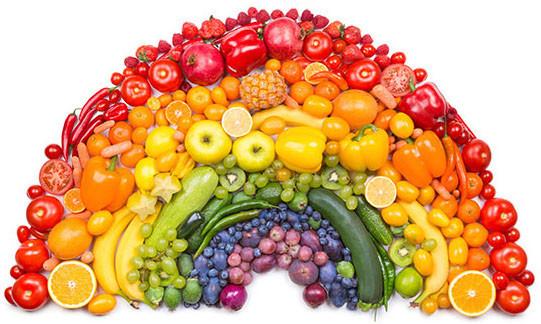
The Importance of Eating a Colorful Variety of Fruits and Vegetables
In today’s health-conscious society, we often here the mantra to “eat your fruits and vegetables.” But have you ever wondered why the colors of these foods matter? While we know that fruits and vegetables are essential for a balanced diet, the vibrant hues they present are not just for aesthetics—they signal a diverse range of nutrients and health benefits.From the deep reds of tomatoes to the rich greens of kale and the bright oranges of carrots, each color reflects unique vitamins, antioxidants, and minerals that contribute to our overall well-being. In this article, we will explore why incorporating a colorful variety of fruits and vegetables into our daily meals is not only visually appealing but also a key factor in maintaining a healthy lifestyle. Join us as we delve into the nutritional value of these colorful foods and discover how to make your plate a more vibrant— and beneficial—place!
Table of Contents
- The Nutritional Power of Rainbow Foods
- Understanding Phytochemicals and Their Benefits
- Tips for Incorporating More Colors into Your Diet
- Creating a Balanced Plate: A Guide to Meal Planning
- The Way Forward
The Nutritional Power of Rainbow Foods
when it comes to nutrition, diversity is key. Incorporating a colorful spectrum of fruits and vegetables into your diet not only makes meals more visually appealing, but also ensures you’re getting a wide range of essential nutrients. Each color signifies different phytonutrients and vitamins that contribute to overall health. For example:
- Red: Rich in lycopene,found in tomatoes and red peppers,which helps in reducing the risk of certain cancers.
- orange and Yellow: Packed with vitamin C and beta-carotene from carrots and oranges, supporting immune function and skin health.
- Green: Leafy greens like spinach and kale are filled with iron, calcium, and antioxidants that bolster heart health.
- Blue and Purple: Foods like blueberries and eggplant contain anthocyanins, which are great for brain health and memory.
Incorporating these rainbow foods not only helps in preventing chronic diseases but also promotes general well-being. The variety enhances your gut microbiome, aiding digestion and reducing inflammation. By making a conscious effort to include different colors on your plate, you’re not just satisfying your taste buds, but also fueling your body with all it needs to thrive. To maximize the health benefits, consider trying:
- Local and seasonal produce: Fresh fruits and vegetables retain more nutrients.
- Raw and cooked options: Different cooking methods can bring out varying flavors and health benefits.
- Diverse preparations: Smoothies, salads, stir-fries, and more ensure you enjoy your nutrients in multiple ways.
Understanding Phytochemicals and Their benefits
Phytochemicals are naturally occurring compounds found in plants that contribute not only to their color, flavor, and disease resistance but also to a myriad of health benefits for those who consume them. By incorporating a spectrum of colorful fruits and vegetables into your diet, you’re harnessing the power of these compounds, which can help combat oxidative stress and inflammation in the body. Here are some types of phytochemicals and their associated benefits:
- Flavonoids: Known for their antioxidant properties, they may enhance heart health and improve cognitive function.
- Carotenoids: Found in orange and yellow fruits and vegetables, they support eye health and bolster the immune system.
- Glucosinolates: Present in cruciferous vegetables like broccoli, they have been linked to cancer prevention.
- Saponins: These compounds, found in beans and legumes, may aid immune function and exhibit cholesterol-lowering effects.
Consuming a colorful mix of plant-based foods ensures that you are not only enjoying diverse flavors but also maximizing your intake of these nutrients. Different colors often indicate different phytochemicals that can support various bodily functions. For example, deep green vegetables are rich in chlorophyll and other antioxidants, while red and purple fruits contain anthocyanins that may reduce the risk of heart disease.To fully reap the benefits, consider this variety in your meals:
- Mixing salad greens: Spinach, kale, and arugula each provide distinct phytonutrients.
- Creating vibrant smoothies: Blend berries, bananas, and leafy vegetables for a nutrient-rich drink.
- Rotating seasonal produce: Seasonal availability can also highlight a range of nutrients throughout the year.
Tips for Incorporating More Colors into Your Diet
Incorporating more colors into your meals not only enhances the visual appeal of your plate but also maximizes the nutritional benefits of your diet. To achieve this, consider mixing fruits and vegetables from different color groups each day. Here are some easy ways to get started:
- Brighten your breakfast: Add berries, bananas, or citrus fruits to your cereal or smoothie.
- Colorful salads: Experiment with leafy greens, cherry tomatoes, bell peppers, and shredded purple cabbage.
- Snack smart: Choose colorful options like carrot sticks,cucumber slices,or sliced apples with nut butter.
Another effective strategy is to plan themed meals based on colors. This not only turns cooking into a fun activity but also encourages creativity in your meal readiness. For example:
- Red day: Incorporate tomatoes, red peppers, strawberries, and beets into your dishes.
- Green day: Focus on broccoli, kale, green beans, and avocado for a nutrient-packed menu.
- Rainbow stir-fry: Combine a variety of veggies from different color groups for a vibrant side dish.
Creating a Balanced Plate: A Guide to Meal Planning
Choosing a colorful array of fruits and vegetables is essential for ensuring a well-rounded intake of nutrients. Each color typically denotes different phytonutrients, vitamins, and minerals that contribute to overall health. For instance, vibrant orange and yellow produce, like carrots and sweet potatoes, are rich in beta-carotene, while leafy greens such as kale and spinach offer an abundance of iron and calcium. Incorporating a range of colors not only enhances the aesthetic appeal of your meals but also maximizes the health benefits you receive. Consider adding the following to your shopping list:
- Red: Tomatoes, red bell peppers, strawberries
- Orange/yellow: Carrots, butternut squash, oranges
- Green: Broccoli, green beans, avocados
- Blue/Purple: Blueberries, eggplant, beets
- white/Brown: Cauliflower, garlic, mushrooms
In addition to their nutritional benefits, consuming a variety of colorful fruits and vegetables can support your immune system, reduce the risk of chronic diseases, and promote mental well-being. Antioxidants found in these foods can help combat oxidative stress and inflammation in the body. By planning meals that incorporate a spectrum of colors, you not only ensure a nutrient-rich diet but also indulge your palate with diverse flavors and textures. Try mixing up your meals with:
- Rainbow salads: Mix various colored veggies topped with a light dressing
- Fruit smoothies: Blend a variety of fruits for a nutrient-packed drink
- Stir-fries: Combine multiple colorful vegetables for a swift and healthy dish
The Way forward
embracing a colorful variety of fruits and vegetables is more than just a treat for the eyes; it’s a fundamental aspect of a balanced diet that can substantially enhance your overall health. Each hue brings its own unique set of nutrients and health benefits, which collectively contribute to your well-being.By making a conscious effort to include a rainbow of produce in your meals,you not only enjoy a diverse array of flavors and textures but also equip your body with essential vitamins,minerals,and antioxidants. So, the next time you fill your plate, remember that color counts! Let your meals be as vibrant as your health goals, and enjoy the journey of nourishing your body. happy eating!
Featured Products
-
Nutramax Dasuquin for Large Dogs, Joint Health Sup…
Featured Products $59.99 -
Oral Complete 11-in-1 Dental Probiotics, Bad Breat…
Featured Products $45.95 -
Sale!
WELLNESS LABSRX Liposomal NAD Supplement, 1500mg -…
Featured Products Original price was: $29.99.$27.99Current price is: $27.99.


