


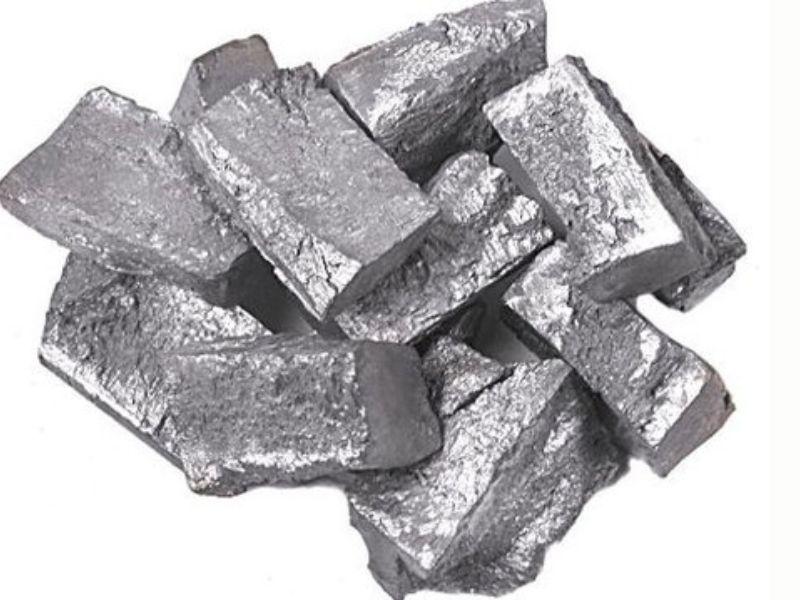
When it comes to maintaining a robust immune system, many of us focus on vitamins like C and D, but there’s another crucial player that frequently enough flies under the radar: zinc. This essential mineral plays a vital role in various bodily functions, including immune response, wound healing, and cellular division. in today’s blog post, we’ll explore why zinc is so crucial for your health, how it aids your immune system, and the best dietary sources to help you meet your daily requirements. Whether you’re looking to bolster your defenses during cold and flu season or simply aiming for overall wellness, understanding zinc’s role can give you an edge in your health journey. Let’s dive in!
Table of Contents
- The role of Zinc in Immune Function
- Signs of Zinc Deficiency and Its Impact on Health
- Top Dietary Sources of Zinc for Optimal Immunity
- Supplementing Wisely: Recommended Dosages and Considerations
- In Summary
The role of Zinc in Immune Function
Zinc is a vital trace mineral that plays a fundamental role in maintaining a robust immune system. This mineral is crucial for the development and function of immune cells such as neutrophils and natural killer cells, which serve as the first line of defense against pathogens. Without adequate zinc levels, the immune response may become compromised, leading to increased susceptibility to infections. This underscores the importance of ensuring that your diet contains sufficient amounts of this essential nutrient.
Moreover, zinc aids in the regulation of immune system responses, making it an critically important player in preventing excessive inflammation. Some key functions of zinc in immune health include:
- Supporting T-cell function: T-cells are critical for adaptive immunity, and zinc is needed for their activation and proliferation.
- Antioxidant properties: Zinc helps combat oxidative stress,which can damage immune cells and tissues.
- Enhancing antibody production: It enables the body to produce antibodies efficiently, improving immune protection against infections.
Signs of Zinc Deficiency and Its Impact on Health
Zinc plays a crucial role in maintaining a robust immune system,and its deficiency can lead to a myriad of health issues. Individuals lacking sufficient zinc may experience a range of symptoms, including:
- Frequent Infections: A compromised immune response results in an inability to fend off common pathogens.
- Delayed Wound Healing: Zinc is essential for skin health and tissue repair; a deficiency can slow this process significantly.
- Hair loss: A reduction in zinc levels may lead to thinning hair or alopecia.
- Loss of Taste or Smell: Zinc is vital for sensory functions, and its absence can diminish these senses.
Moreover,prolonged zinc deficiency can have long-term effects on overall health. It may contribute to:
- Developmental Delays: In children, insufficient zinc can hinder growth and cognitive development.
- Increased Risk of Chronic Illness: A weakened immune system can elevate the risk of autoimmune diseases and infections.
- mental Health Issues: Some studies suggest a correlation between zinc deficiency and mood disorders, such as depression and anxiety.
Top Dietary Sources of Zinc for Optimal Immunity
Zinc is an essential mineral that plays a pivotal role in bolstering your immune system.To ensure you’re getting enough of this nutrient, incorporate a variety of dietary sources into your meals.Here are some of the best sources to consider:
- Oysters: Known to have one of the highest concentrations of zinc, oysters are a powerhouse for immune support.
- Red Meat: Lean cuts of beef and lamb are rich in zinc, making them excellent choices for those looking to enhance their immunity.
- Poultry: Chicken and turkey provide a good amount of zinc, especially in their dark meat.
- Nuts and Seeds: Pumpkin seeds,cashews,and hemp seeds not onyl offer zinc but also healthy fats and proteins.
- Legumes: Beans, lentils, and chickpeas are plant-based sources that can contribute significantly to your zinc intake.
In addition to these primary sources, whole grains can also add to your zinc levels.Keep in mind that cooking methods can impact zinc absorption, so consider methods that help optimize the nutrient availability in your foods.Incorporating a balanced mix of these foods into your daily diet is essential for maintaining optimal immunity and overall health.
Supplementing Wisely: recommended Dosages and Considerations
When considering zinc supplementation for immune health, it’s essential to adhere to recommended dosages to maximize benefits while minimizing potential side effects.Generally, the daily recommended intake for adults ranges from 8 mg for women to 11 mg for men. It’s crucial to stay within these guidelines, as excessive zinc can lead to adverse effects such as nausea, diarrhea, and even impaired immune function. Always consult with a healthcare professional before starting any supplementation, especially if you have pre-existing health conditions or are taking other medications.
Beyond dosage, several factors can influence the effectiveness of zinc supplementation, including:
- Form of Zinc: Zinc comes in various forms (like zinc gluconate, zinc citrate, and zinc oxide), each with different absorption rates. Opt for forms that are well-studied for better bioavailability.
- dietary Considerations: Certain foods,such as whole grains,legumes,and dairy,can inhibit zinc absorption. Pairing supplements with meals containing protein or fiber can enhance absorption.
- Timing: Taking zinc supplements on an empty stomach can increase absorption, but if gastrointestinal discomfort occurs, consider taking them with food.
In Summary
zinc plays a crucial role in maintaining and enhancing our immune system. Its contributions to cellular function, cytokine production, and overall immune response make it an essential nutrient for optimal health. From food sources such as meat, shellfish, legumes, and nuts to supplements, ensuring an adequate intake of zinc can definitely help fortify your defense against infections and illnesses. As you consider your dietary choices, remember the importance of zinc in your overall well-being. By prioritizing this vital mineral, you’re taking a proactive step toward supporting your immune health. Stay informed, stay healthy, and don’t overlook the power of zinc in your daily nutrition!